
Scottish last names carry traces of Gaelic culture, clan history, occupations, landscapes, and centuries of migration. Whether you are researching your family tree, naming a fictional character, or simply looking for a surname with Scottish character, the choices can feel endless.
This guide brings together Scottish last names, organized by distinctive themes such as clans, Gaelic roots, Highland traditions, occupations, places, and rare historical surnames. Each section offers a different angle so you can find a name that fits your purpose.
Scottish surname history is especially varied. Official Scottish records explain that surnames developed from territorial names, occupations, patronymics, Gaelic traditions, and influences from Norse, Norman, Anglo-Saxon, and other communities.
Scottish Last Names Rooted in Famous Clan Traditions
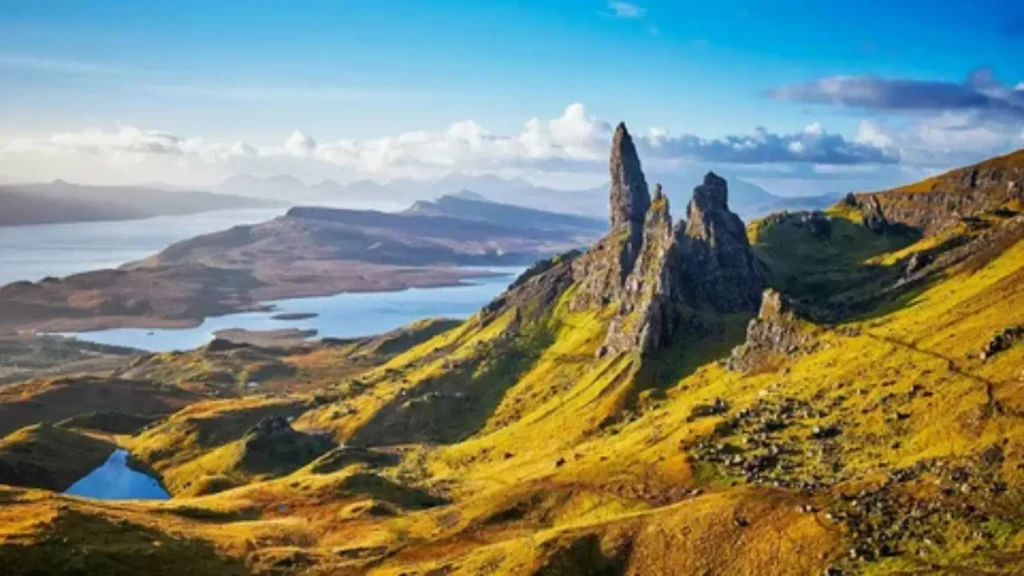
Clan-associated surnames are among the names most strongly connected with Scotland’s Highland and family traditions. These choices have an unmistakably Scottish historical character.
- Campbell
- Maclean
- MacLeod
- MacKenzie
- MacPherson
- MacNeil
- MacRae
- MacDougall
- MacLachlan
- MacNab
- MacFarlane
- MacInnes
- MacKinnon
- MacQuarrie
- MacMillan
Clan surnames should not automatically be interpreted as proof of direct descent from a particular chief. Historical records note that people sometimes adopted powerful clan names for protection, loyalty, or practical reasons.
Scottish Last Names With Strong Gaelic Connections
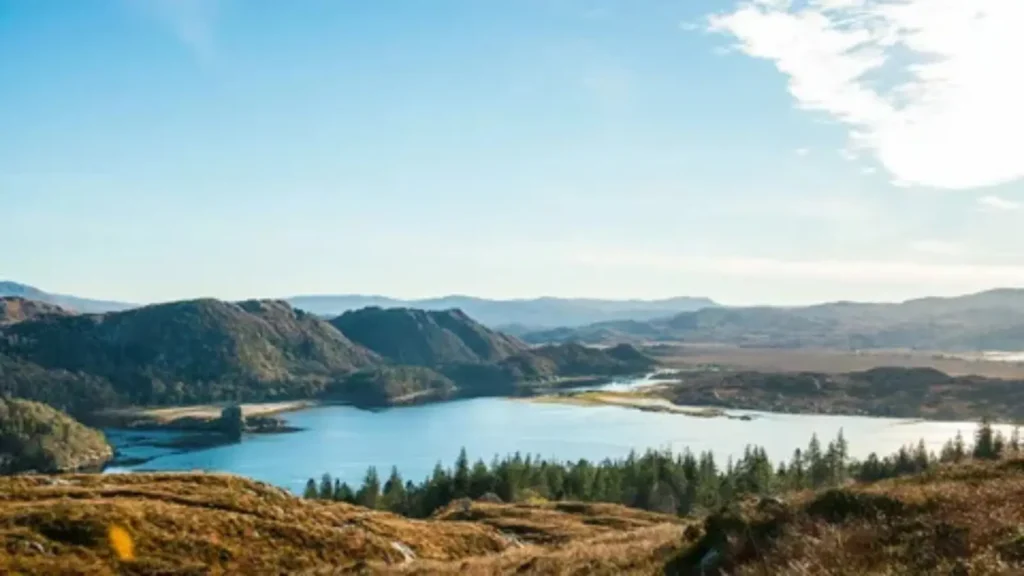
Gaelic influence is central to many Scottish surnames, particularly those associated with the Highlands and Islands. These names retain a distinctive Celtic flavor.
- MacAulay
- MacAskill
- MacBean
- MacBride
- MacColl
- MacCorquodale
- MacCulloch
- MacGillivray
- MacIntyre
- MacIver
- MacLaren
- MacNicol
- MacShane
- MacTavish
- MacWilliam
The prefix Mac traditionally means “son” in Gaelic naming, although Scottish surname development was more complicated than simply indicating biological descent. Some Mac surnames also developed from occupations or descriptive terms.
Scottish Last Names Connected With Lowland Heritage
Lowland Scotland produced a broad range of surnames influenced by English, Scots, Gaelic, and border traditions. These names work particularly well when you want a surname that feels historical but approachable.
- Armstrong
- Baird
- Bell
- Bannatyne
- Elliot
- Ferguson
- Jardine
- Hamilton
- Henderson
- Kerr
- Laidlaw
- Maxwell
- Moffat
- Rutherford
- Turnbull
Many Lowland surnames also overlap with Border and occupational naming traditions, so their histories can cross regional boundaries rather than fitting neatly into one category.
Scottish Last Names That Evoke Highland Heritage
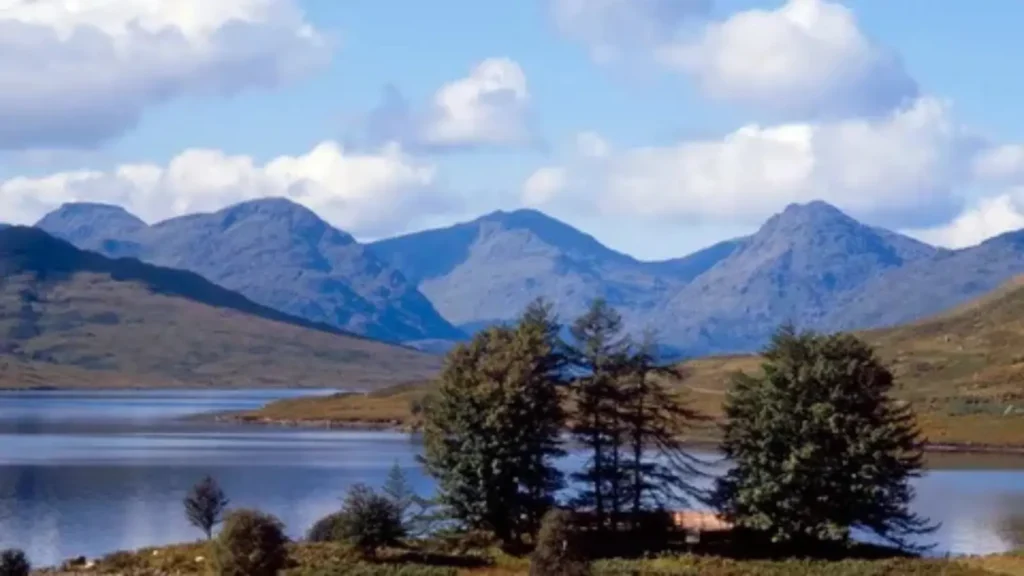
Highland-associated surnames often bring to mind rugged landscapes, Gaelic-speaking communities, ancient estates, and the cultural history of northern Scotland.
- Cameron
- Chisholm
- Fraser
- Gordon
- Grant
- Munro
- Ross
- Sutherland
- Urquhart
- MacNaughton
- Sinclair
- Stewart
- Drummond
- Gunn
- Menzies
Highland surnames have experienced considerable spelling variation over time. Scottish records specifically note that Gaelic surnames were sometimes altered or anglicized, creating different forms in historical documents.
Scottish Last Names Inspired by Places and Landscapes
Territorial surnames developed when people became associated with particular lands, estates, settlements, or geographical locations. These names can be especially appealing for fictional families and historical characters.
- Abernethy
- Airth
- Balmer
- Bannerman
- Blair
- Dalrymple
- Dunbar
- Dundas
- Erskine
- Fife
- Forbes
- Inverarity
- Kinnell
- Lennox
- Strathern
Scotland’s People explains that some of Scotland’s earliest permanent surnames were territorial, with people taking names connected to lands they owned or were associated with.
Scottish Last Names Born From Traditional Occupations
A surname can preserve a clue about what an ancestor did for a living. Scotland has many occupational surnames, ranging from familiar English forms to names with specifically Scottish associations.
- Baxter
- Brewster
- Butler
- Carpenter
- Carter
- Cooper
- Fisher
- Fletcher
- Fowler
- Gardener
- Mason
- Miller
- Piper
- Smith
- Webster
Several Scottish occupational surnames have meanings that are less obvious today. For example, Baxter is associated with baking, while Stewart historically relates to a steward and Webster to a weaver.
Scottish Last Names Formed From Fathers’ Names
Patronymic naming was once an important way of identifying Scottish families. A surname could originate from a father’s given name and eventually become a permanent family surname.
- Anderson
- Donaldson
- Harrison
- Jackson
- Jamieson
- Johnson
- Lawson
- Morrison
- Paterson
- Robertson
- Simpson
- Stevenson
- Thomson
- Watson
- Williamson
Patronymic systems were particularly persistent in the Highlands and Islands, while Lowland Scotland increasingly adopted hereditary surnames earlier. Historical records show that patronymics could change from generation to generation before becoming fixed family names.
Scottish Last Names Reflecting Appearance and Personality
Some surnames developed from descriptive nicknames. They can reference physical appearance, personal characteristics, size, complexion, or perceived qualities.
- Brown
- Black
- Gray
- Grey
- Little
- Long
- Reid
- Redpath
- White
- Young
- Strong
- Sharp
- Fairbairn
- Goodfellow
- Muir
Descriptive surnames are useful when you want a character name that immediately feels memorable. However, the modern meaning of a surname does not always perfectly explain its original medieval or Gaelic source.
Scottish Last Names With Medieval Norman Connections
Scotland’s medieval nobility and landholding systems were influenced by Norman and Anglo-Norman families. Several surnames that became established in Scotland have roots connected with this period.
- Bisset
- Boyle
- Bruce
- Colville
- Corbett
- Gifford
- Hay
- Beaton
- Keith
- Lindsay
- Murray
- Oliphant
- Ramsay
- Seton
- Fleming
Scotland’s People identifies names including Bissett, Boyle, Colville, Corbett, Gifford, Hay, Kinnear, and Fraser as Norman names that appeared in Scotland during the medieval period.
Scottish Last Names Influenced by Norse Heritage
Norse influence is particularly visible in northern Scotland and the island communities. These surnames provide an interesting choice when you want something connected with Scotland’s northern maritime history.
- Linklater
- Cowie
- Clouston
- Heddle
- Leask
- Sandison
- Manson
- Nicolson
- Peterson
- Rendall
- Rognvaldson
- Thomason
- Halcro
- Tulloch
- Hakonson
The Northern and Western Isles experienced significant Norse settlement and cultural influence. Scotland’s People specifically identifies Gunn as having Norse origins and notes Scandinavian influence in areas such as the Borders as well.
Scottish Last Names From the Border Country
The Scottish Borders produced surnames shaped by centuries of interaction, conflict, farming, landholding, and movement between Scotland and England. These names have a strong historic atmosphere.
- Beveridge
- Carmichael
- Carruthers
- Crichton
- Dickson
- Home
- Johnstone
- Kirkwood
- Lothian
- Nisbet
- Pringle
- Scott
- Somerville
- Tweedie
- Wemyss
Border surnames can be especially useful for historical fiction because they naturally evoke the distinctive culture of the Scottish-English frontier without requiring a strongly Highland identity.
Scottish Last Names Commonly Encountered Today
If you want a Scottish surname that feels familiar rather than obscure, these choices provide a practical starting point. Several remain prominent in modern Scottish records.
- Dempster
- Davidson
- Duncan
- Graham
- Johnston
- Martin
- Mitchell
- McNair
- Falconer
- Fulton
- McIntyre
- Paton
- Wilson
- Wood
- Crawford
The National Records of Scotland publishes annual surname statistics based on births, marriages, and deaths. In its 2024 release, Smith, Brown, Wilson, Robertson, Stewart, Campbell, Thomson, Anderson, Murray, and Scott were among the most frequently recorded surnames.
Scottish Last Names With a Rare and Historic Feel
Less familiar surnames can be useful when you want something distinctive without inventing a name. These examples have an old-fashioned or uncommon character.
- Balfour
- Borthwick
- Cargill
- Cranstoun
- Crawford
- Dunlop
- Fotheringham
- Grierson
- Haldane
- Inglis
- Kinniburgh
- Lockhart
- Maitland
- Pitcairn
- Wedderburn
Rare does not necessarily mean fictional or ancient. A surname may simply be less common today, may be concentrated in a particular region, or may have changed spelling over generations.
Scottish Last Names Perfect for Fictional Characters
For writers, role-playing games, historical stories, and fantasy-inspired settings, a Scottish surname can give a character an immediate cultural and geographical identity.
- Allardice
- Anstruther
- Buchanan
- Cadzow
- Elphinstone
- Farquharson
- Kincaid
- Lumsden
- MacAlister
- MacDonell
- MacEwen
- MacGill
- MacPhail
- Strachan
- Brodie
When choosing a surname for fiction, consider the character’s setting, social background, historical period, and pronunciation. A name that fits a Highland warrior may feel very different from one intended for a Lowland merchant or Border noble.
Scottish Last Names for Family History Research
A surname can be a useful starting clue in genealogy, but it should never be treated as complete proof of ancestry. Historical records can reveal spelling changes, migrations, and unrelated families sharing the same surname.
- MacDonald
- Donaldson
- Campbell
- Stewart
- Robertson
- Anderson
- Gordon
- Hamilton
- Henderson
- Mackenzie
- Sinclair
- Douglas
- Montgomery
- Cunningham
- Ferguson
For serious genealogy, work backward from known relatives and compare several records rather than relying only on a surname. National Records of Scotland recommends beginning with a person whose full name and identifying information are known, then tracing earlier generations through historical records.
Scottish Last Names That Show How Diverse Scotland Is
Scottish surnames cannot all be placed into a single Gaelic or clan-based box. Scotland’s surname history includes Gaelic, Scots, Norman, Norse, Anglo-Saxon, Irish, and other influences.
- MacDonachie
- Cowan
- Milroy
- Gilchrist
- Thorburn
- Kinnear
- Grassick
- Soutar
- Wardrope
- Daly
- Gallacher
- Docherty
- MacIan
- Johnston
- Thorburn
This diversity is one reason Scottish surnames can have surprising spellings and histories. Scotland’s People notes that migration, anglicization, phonetic spelling, and movement between Highland and Lowland communities all contributed to surname variations.
Frequently Asked Questions About Scottish Last Names
1. What is the most common Scottish last name?
According to the National Records of Scotland’s 2024 statistics, Smith was the most common surname recorded in Scotland’s birth, marriage, and death registers, followed by Brown and Wilson.
2. What does “Mac” mean in Scottish surnames?
Mac is a Gaelic prefix traditionally meaning “son.” Many Scottish Mac surnames developed from patronymic naming, although some also arose from occupations, descriptions, and other sources.
3. Are all people with the same Scottish clan surname related?
No. Sharing a clan surname does not automatically establish direct descent from a clan chief. Historical clan membership could include followers and other people who adopted the clan name for protection, allegiance, or social reasons.
4. Why do Scottish surnames have different spellings?
Historical records often contain spelling variations caused by phonetic recording, transcription, anglicization, migration, and changes between Gaelic and English forms.
5. Are Scottish surnames always Gaelic?
No. Scottish surnames come from multiple linguistic and cultural sources. Gaelic, Scots, English, Norman, Norse, Irish, and other influences all contributed to Scotland’s surname landscape.
6. What Scottish surname is good for a fictional character?
Choose based on the character’s background. MacLeod, Fraser, Campbell, MacRae, Sinclair, Gordon, Buchanan, and Brodie can work well for characters with a distinctly Scottish identity.
7. How can I research my own Scottish surname?
Begin with relatives whose names, birthplaces, and dates you already know. Then consult birth, marriage, death, census, parish, and other historical records. National Records of Scotland provides guidance for tracing Scottish family history.
8. Can a Scottish surname prove Scottish ancestry?
Not by itself. A surname can provide a valuable research clue, but reliable ancestry research requires supporting documentary evidence from multiple generations.
Conclusion
Scottish last names tell stories about families, occupations, landscapes, languages, migration, and medieval history. From recognizable names such as Campbell, Stewart, Smith, and Scott to less familiar choices such as Wedderburn, Anstruther, Fotheringham, and Cranstoun, Scotland offers an unusually rich surname tradition.
The best surname depends on your purpose. For genealogy, investigate records rather than relying on the name alone. For fiction, consider regional and historical context. And if you simply want a distinctive Scottish-sounding family name, the choices above give you plenty of authentic inspiration.

