
Whether you’re learning music theory, naming a music project, creating a character, or simply trying to understand notes, music notes names can open the door to a fascinating world of rhythm, pitch, melody, and harmony.
Musical notes have traditional names such as A, B, C, D, E, F, and G, while solfège uses Do, Re, Mi, Fa, Sol, La, and Ti. This guide explores those ideas creatively and gives you original music-inspired names for different purposes.
Music Notes Names Inspired by Classical Sound
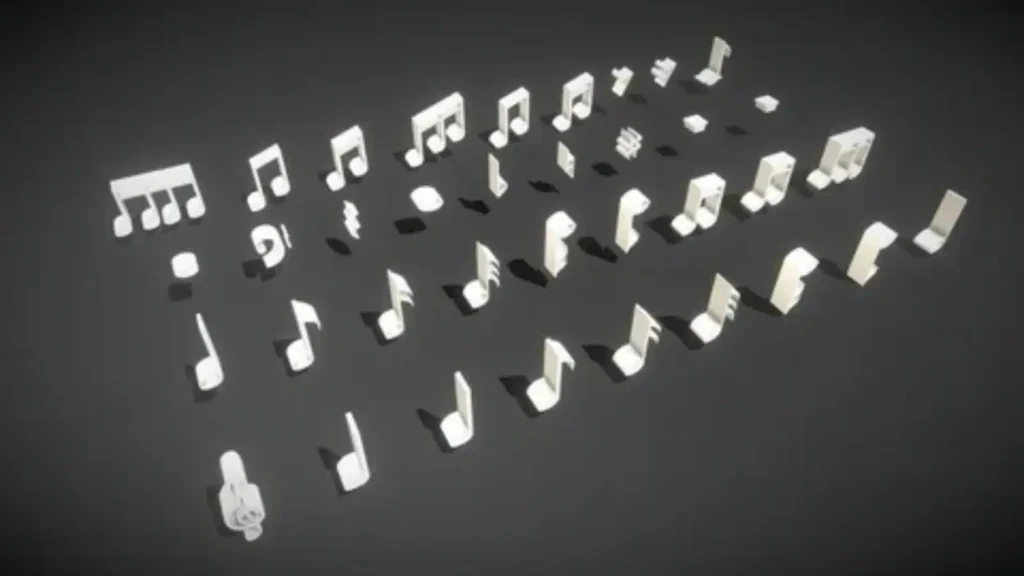
Classical music often suggests elegance, precision, and timeless beauty. These music notes names combine musical language with a refined, orchestral feeling.
- Velvet Cadence
- Golden Aria
- Silver Sonata
- Ivory Melody
- Crystal Prelude
- Moonlit Concerto
- Noble Harmony
- Grand Octave
- Rosy Allegro
- Celestial Fugue
- Amber Symphony
- Whispering Minuet
- Royal Overture
- Luminous Chord
- Timeless Treble
Music Notes Names With a Modern Pop Vibe
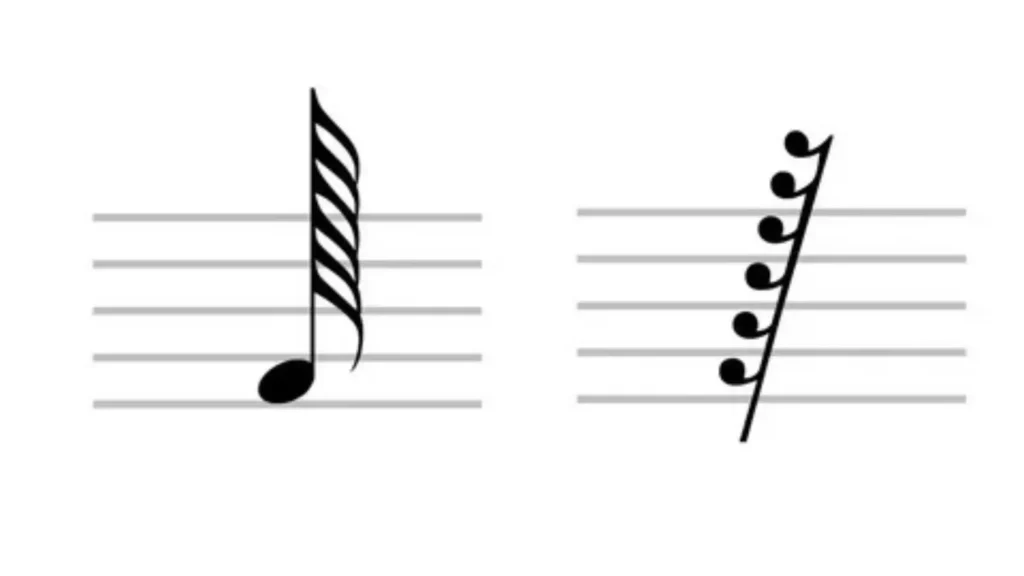
Modern pop music is energetic, catchy, and colorful. These music notes names work especially well for playlists, bands, social accounts, creative projects, and fictional performers.
- Neon Melody
- Pop Pulse
- Electric Chorus
- Glitter Beat
- Stereo Spark
- Candy Rhythm
- Radio Glow
- Sonic Bloom
- Velvet Pop
- Echo Crush
- Bright Refrain
- Melody Rush
- Chrome Chorus
- Urban Tune
- Digital Harmony
Music Notes Names for Piano Lovers
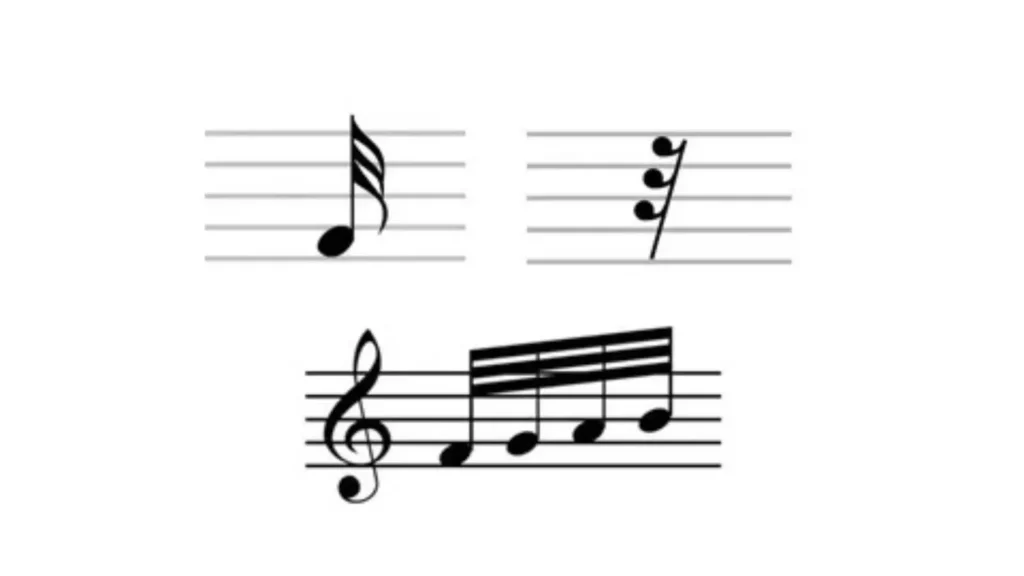
The piano connects individual notes with chords, scales, melodies, and expressive performances. These names capture the atmosphere of keys, ivory, resonance, and piano music.
- Ivory Echo
- Piano Moon
- Keylight Melody
- Velvet Keys
- Midnight Piano
- Ivory Cascade
- Silver Keyboard
- Whisper Keys
- Piano Stardust
- Resonant Ivory
- Lunar Keyboard
- Softly Played
- Echoing Keys
- Grand Piano Glow
- Ivory Reverie
Music Notes Names Built Around Solfège
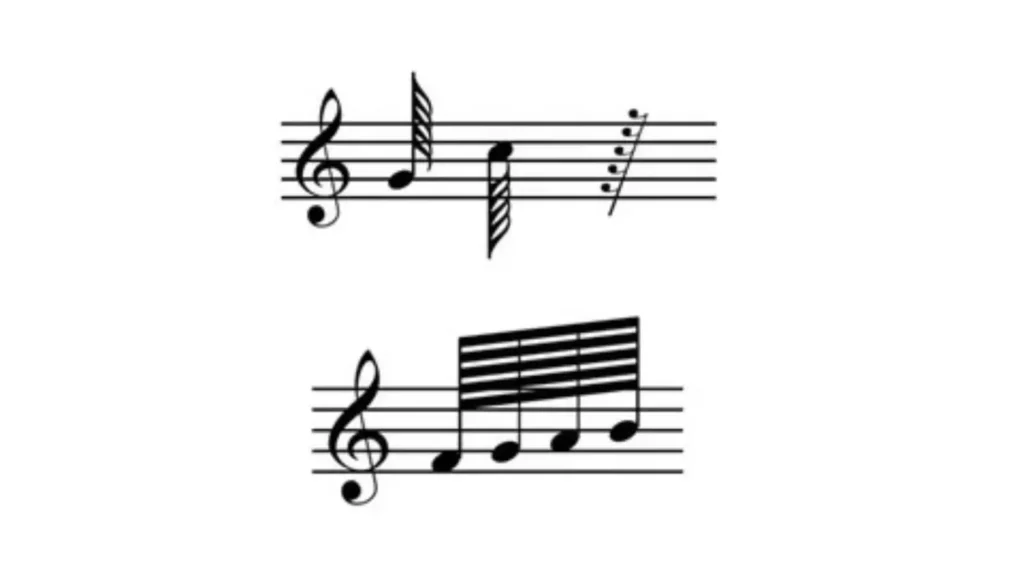
Solfège gives learners memorable syllables for musical pitches. These creative names draw inspiration from Do, Re, Mi, Fa, Sol, La, and Ti without pretending they are additional official note names.
- Do Dream
- Re Rhythm
- Mi Melody
- Fa Fantasy
- Sol Sunrise
- La Lullaby
- Ti Twilight
- Do Harmony
- Re Resonance
- Mi Moonbeam
- Fa Firelight
- Sol Serenade
- La Lavender
- Ti Tremolo
- Do Stardust
Music Notes Names for Calm and Relaxing Sounds
Soft music often evokes peaceful evenings, gentle rain, quiet rooms, and slow melodies. These music notes names are ideal for soothing creative concepts.
- Quiet Coda
- Gentle Note
- Soft Sonata
- Peaceful Pitch
- Dreamy Chord
- Calm Cadence
- Restful Rhythm
- Still Melody
- Whisper Note
- Tranquil Tune
- Sleepy Symphony
- Serene Octave
- Floating Harmony
- Silent Refrain
- Moonbeam Chime
Music Notes Names With an Energetic Beat
Fast rhythms and powerful melodies create excitement. These music notes names are designed around movement, speed, performance energy, and lively musical expression.
- Beat Blaze
- Rhythm Rocket
- Tempo Storm
- Sonic Rush
- Pulse Rider
- Drum Spark
- Rapid Refrain
- Beat Thunder
- Tempo Flash
- Rhythm Rebel
- Sound Surge
- Musical Voltage
- Pulse Warrior
- Tempo Flame
- Beat Comet
Music Notes Names for Fantasy Worlds
Fantasy settings give music an opportunity to feel magical and otherworldly. These names suit fictional kingdoms, magical instruments, characters, stories, and fantasy games.
- Elowen Chime
- Moonfae Melody
- Starwyn Note
- Auralith Song
- Lyrielle Chord
- Melodara
- Sonareth
- Faelune Harmony
- Elaris Echo
- Lunavelle Tune
- Arcanora
- Sylphine Sonata
- Veloria Verse
- Mystara Melody
- Celestyn Chime
Music Notes Names for Dark and Mysterious Sounds
Minor melodies, deep tones, and atmospheric compositions can create a mysterious mood. These music notes names are suited to gothic projects, stories, games, and darker musical themes.
- Shadow Coda
- Midnight Chord
- Obsidian Note
- Darkened Melody
- Phantom Pitch
- Raven Refrain
- Nocturne Echo
- Black Velvet Tune
- Haunted Harmony
- Eclipse Sonata
- Whispering Minor
- Dusk Cadence
- Silent Phantom
- Moonless Chord
- Cryptic Chorus
Music Notes Names for Nature-Inspired Melodies
Nature and music share powerful imagery. Birds, oceans, forests, rain, wind, and sunlight can all inspire musical naming ideas.
- Forest Melody
- Ocean Chord
- Rainfall Rhythm
- Meadow Note
- River Refrain
- Willow Harmony
- Mountain Sonata
- Sunbeam Symphony
- Wildflower Tune
- Thunder Cadence
- Breeze Chorus
- Raindrop Aria
- Pinewood Prelude
- Sunrise Octave
- Autumn Echo
Music Notes Names for Jazz-Inspired Ideas
Jazz brings together improvisation, swing, rhythm, blues, harmony, and expressive performance. These names aim for a sophisticated yet playful musical identity.
- Blue Note Breeze
- Swing Sonata
- Midnight Jazz
- Velvet Swing
- Brass Harmony
- Improvisation Glow
- Saxophone Spark
- Cool Chord
- Jazz Lantern
- Rhythm Lounge
- Blue Midnight
- Swing Reverie
- Brass Moon
- Jazzy Cadence
- Copper Groove
Music Notes Names for Rock and Alternative Themes
Rock music often feels bold, rebellious, dramatic, and energetic. These music notes names are suitable for bands, playlists, characters, usernames, and fictional music scenes.
- Thunder Riff
- Rebel Chord
- Electric Anthem
- Steel Melody
- Wild Amplifier
- Crimson Riff
- Sonic Riot
- Guitar Flame
- Heavy Harmony
- Rebel Rhythm
- Voltage Verse
- Rockstorm Note
- Distorted Dream
- Amplified Echo
- Thunder Chorus
Music Notes Names for Cute and Playful Projects
Cute music names can make a project feel friendly and memorable. These ideas use cheerful musical imagery for children’s content, mascots, usernames, characters, and creative brands.
- Tiny Tune
- Bouncy Note
- Melody Muffin
- Happy Chime
- Musical Mochi
- Twinkle Tune
- Little Lyric
- Sunny Note
- Jolly Chord
- Bubble Beat
- Cherry Melody
- Peachy Piano
- Sprinkle Song
- Cozy Chorus
- Giggle Rhythm
Music Notes Names for Electronic and Digital Music
Electronic music connects sound with technology, synthesizers, digital production, sampling, and futuristic textures. These names reflect that modern musical environment.
- Cyber Chord
- Digital Pulse
- Synthwave Note
- Binary Beat
- Future Frequency
- Pixel Melody
- Circuit Rhythm
- Neon Oscillation
- Quantum Chime
- Virtual Verse
- Electric Matrix
- Synth Spark
- Digital Echo
- Algorithmic Aria
- Cyber Cadence
Music Notes Names for Educational and Music-Learning Projects
Music education benefits from names that feel memorable and approachable. These ideas can suit lesson series, worksheets, learning games, channels, clubs, and classroom activities.
- Note Navigator
- Melody Mentor
- Rhythm Reader
- Pitch Pathfinder
- Music Map
- Note Explorer
- Scale Scout
- Chord Coach
- Melody Master
- Rhythm Ranger
- Pitch Pilot
- Harmony Helper
- Note Academy
- Musical Compass
- Treble Trail
Music Notes Names That Celebrate Melody and Harmony
Melody is the sequence of pitches we recognize as a tune, while harmony describes the musical support created by notes sounding together. These names celebrate both ideas.
- Harmony Horizon
- Melody Garden
- Chord Garden
- Harmonious Dawn
- Melody River
- Chord Whisper
- Singing Octave
- Harmony Lantern
- Melody Mosaic
- Chord Meadow
- Resonance River
- Harmonious Skies
- Melody Prism
- Chord Symphony
- Musical Aurora
Understanding the Real Music Notes Names
If you’re learning music theory, it’s important to separate creative naming ideas from the official names used to identify musical pitches. In Western music, the basic letter names are A through G, with accidentals changing their pitch.
- A — one of the seven basic letter names.
- B — another basic pitch name in the musical alphabet.
- C — commonly used as a reference point in music education.
- D — one of the seven natural-note names.
- E — part of the basic A–G system.
- F — one of the natural notes.
- G — the seventh letter in the repeating musical alphabet.
The sequence then repeats:
A → B → C → D → E → F → G → A
You may also encounter Do, Re, Mi, Fa, Sol, La, Ti, which belong to the solfège system. Depending on the musical system and context, these syllables can function differently from fixed letter names.
How Music Notes Names Appear on the Staff
Written music uses a staff made of five horizontal lines. The position of a note on the staff helps musicians determine its pitch.
- Treble Clef
- Bass Clef
- Alto Clef
- Tenor Clef
- Staff Lines
- Staff Spaces
- Ledger Lines
- Noteheads
- Stems
- Beams
- Flags
- Rests
- Accidentals
- Key Signatures
- Time Signatures
These terms are not additional pitch names, but they are essential parts of written music and help explain how music notes names are represented visually.
Frequently Asked Questions
What are the basic music notes names?
The seven basic note names in the commonly used Western musical alphabet are A, B, C, D, E, F, and G. After G, the sequence starts again at A.
What are Do, Re, Mi, Fa, Sol, La, and Ti?
These are solfège syllables, commonly used to teach and describe relationships between musical pitches. In some systems, Do is treated as a fixed pitch; in others, it represents the tonal center.
Are sharp and flat notes different names?
Sharps and flats describe altered pitches. For example, C-sharp raises C by a semitone, while D-flat lowers D by a semitone. In equal temperament, C-sharp and D-flat can represent the same sounding pitch while having different spellings.
How many basic music notes are there?
There are seven basic letter names: A, B, C, D, E, F, and G. Musical systems then create additional pitch spellings using sharps, flats, naturals, and other accidentals.
What is an octave?
An octave is the interval between one pitch and another pitch with double or half its frequency. The note name repeats when moving to the next octave, such as C to the next C.
What is the difference between a note and a chord?
A note refers to an individual pitch, while a chord generally contains multiple pitches sounding together. Chords can provide harmonic support for a melody.
Why do music notes have letters?
Letter names provide a consistent way to identify pitches and communicate musical information. The A–G system is widely used in Western music notation and music education.
Can I use these music notes names for a project?
Absolutely. The creative names in this guide can inspire usernames, playlists, characters, bands, fictional worlds, educational projects, music channels, and other creative ideas. For technical music theory, however, use established terminology such as A–G, solfège, clefs, scales, intervals, and chords.
Conclusion
Learning music notes names becomes much easier when you understand the difference between official musical terminology and creative naming.
The core Western note names A, B, C, D, E, F, and G form the foundation of countless melodies, scales, chords, and compositions. Solfège adds another useful way to understand pitch relationships, while creative music-inspired names can bring personality to projects, characters, playlists, and brands.
Whether you’re studying your first scale or searching for a memorable music-related name, the key is to choose terminology that fits your purpose.
Start with the fundamentals, explore different musical styles, and then let your creativity take over.

