
Looking for the most powerful names for God and their meanings? Discover beautiful biblical names, ancient Hebrew names, and sacred titles that reveal God’s love, wisdom, strength, mercy, and divine power. From Yahweh and Elohim to Jehovah Jireh and El Shaddai, each name offers a deeper understanding of God’s character and significance.
The names of God reflect His divine nature, including His roles as Creator, Healer, Provider, Protector, and Everlasting Father. Whether you’re studying the Bible, exploring spiritual traditions, or searching for meaningful names that strengthen your faith, this collection makes it easy to discover inspiring options and understand what they represent. You’ll explore traditional biblical names, Hebrew names, and powerful titles associated with God’s presence and promises. Each name offers a unique perspective on faith, hope, and divine purpose. Explore these meaningful names for God, discover their origins and meanings, and find the ones that speak to your heart, deepen your understanding, and inspire your spiritual journey.
Names for God From Ancient Hebrew Scripture
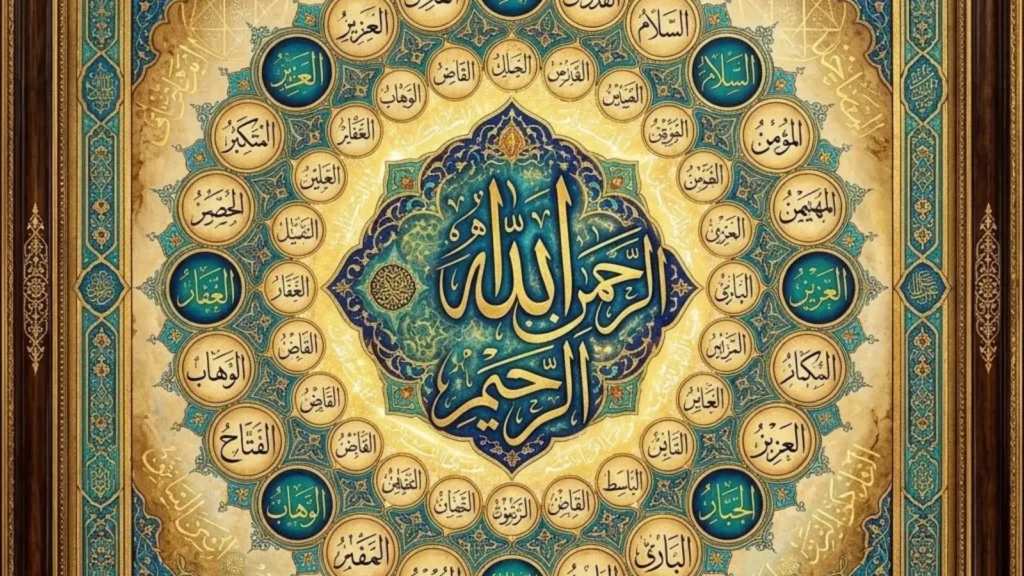
Hebrew Scripture uses several divine names and compound titles, each highlighting a different aspect of God’s identity, authority, presence, or relationship with humanity.
- Yahweh — the personal divine name represented by YHWH.
- Elohim — God; a major Hebrew designation for God.
- Eloah — a singular Hebrew form for God.
- El — God; a term associated with strength and divinity.
- Adonai — Lord or Master.
- El Shaddai — God Almighty.
- El Elyon — God Most High.
- El Olam — Everlasting or Eternal God.
- El Roi — God who sees.
- El Berith — God of the Covenant.
- Yahweh Elohim — Yahweh God.
- Yahweh Sabaoth — LORD of Hosts.
- Elohim Sabaoth — God of Hosts.
- Ehyeh — “I Am” or “I Will Be,” associated with Exodus 3.
- Yahweh Mekaddishkem — the LORD who sanctifies.
These names are particularly useful for readers studying biblical language because they show that Scripture does not describe God through one single designation.
Names for God That Emphasize Supreme Power

If your goal is to find powerful names for God, this group focuses on sovereignty, strength, majesty, authority, and divine supremacy rather than intimacy or comfort.
- The Almighty — emphasizing unlimited divine power.
- The Most High — emphasizing supreme position.
- The Mighty One — a title of divine strength.
- The Everlasting God — emphasizing eternal existence.
- The Sovereign Lord — emphasizing absolute rule.
- Lord of Hosts — emphasizing command over heavenly hosts.
- The King of Kings — emphasizing supreme kingship.
- The Lord of Lords — emphasizing authority above every ruler.
- The Ancient of Days — an important biblical title emphasizing eternal majesty.
- The Strong One of Israel — a biblical-style title emphasizing strength.
- The Mighty God — emphasizing divine might.
- The Ruler of Creation — a descriptive theological title.
- The Supreme King — emphasizing universal sovereignty.
- The Eternal Sovereign — combining eternity with rulership.
- The Unconquered One — a poetic devotional title emphasizing divine victory.
Biblical reference works specifically connect titles such as God Almighty, God Most High, the Eternal God, the Mighty One, and Ancient of Days with God’s greatness and sovereignty.
Names for God Connected With Creation

Creation provides some of the most recognizable descriptions of God, especially names that portray the Divine as creator, originator, maker, and sustainer of everything that exists.
- Creator — the one who creates.
- Maker of Heaven — creator associated with the heavens.
- Maker of Earth — creator associated with the earth.
- Creator of All — universal creator title.
- Originator — one who brings creation into existence.
- The Fashioner — one who gives form.
- The First Cause — philosophical title for ultimate origin.
- The Source of Being — philosophical description of existence’s source.
- The Giver of Life — emphasizing life as divine gift.
- The Sustainer — one who continuously preserves creation.
- The Foundation of Creation — poetic title for ultimate grounding.
- The Author of Nature — devotional-philosophical title.
- The Architect of Creation — metaphorical title for divine order.
- The Origin of All Things — broad theological description.
- The Keeper of Creation — emphasizing preservation and care.
These are descriptive titles rather than a claim that each phrase is a traditional proper name for God. That distinction is important when writing religious content respectfully.
Names for God Associated With Mercy and Compassion

Many believers search for names for God that express tenderness, forgiveness, compassion, and loving care, making these especially suitable for prayers and devotional writing.
- The Merciful One — emphasizing mercy.
- The Most Compassionate — emphasizing profound compassion.
- The Most Merciful — emphasizing abundant mercy.
- The Compassionate Lord — a devotional title.
- The Forgiving One — emphasizing forgiveness.
- The Pardoner — emphasizing divine pardon.
- The Gentle One — emphasizing gentleness.
- The Kind Protector — emphasizing compassionate protection.
- The Loving Lord — emphasizing divine love.
- The Tender Shepherd — poetic image of caring guidance.
- The Restorer — one who restores what is broken.
- The Comforter — title emphasizing consolation.
- The Healer of Hearts — devotional metaphor.
- The Source of Mercy — emphasizing mercy’s divine origin.
- The Welcoming Lord — poetic title emphasizing return and acceptance.
In Islamic tradition, names such as Ar-Rahman and Ar-Rahim are explicitly associated with divine compassion and mercy. The Qur’an itself identifies Allah as “the Most Compassionate, Most Merciful” in Surah 59:22.
Names for God From the Beautiful Names of Allah
Islamic tradition contains a rich vocabulary of divine names. The hadith tradition states that Allah has ninety-nine names, although the famous hadith stating the number does not itself provide the complete list.
- Allah — the proper name of God in Islam.
- Ar-Rahman — The Most Compassionate.
- Ar-Rahim — The Most Merciful.
- Al-Malik — The King.
- Al-Quddus — The Most Holy.
- As-Salam — The Source of Peace.
- Al-Mu’min — The Giver of Security.
- Al-Muhaymin — The Guardian or Overseer.
- Al-Aziz — The Almighty.
- Al-Jabbar — The Compeller or Restorer.
- Al-Mutakabbir — The Supreme.
- Al-Khaliq — The Creator.
- Al-Bari — The Originator.
- Al-Musawwir — The Fashioner.
- Al-Ghaffar — The Ever-Forgiving.
The Qur’an presents Allah with multiple attributes and names, while classical Islamic sources preserve extensive traditions concerning the divine names.
Names for God That Express Wisdom and Knowledge
For writing, prayer, or theological study, names connected with divine knowledge and wisdom communicate God’s awareness of creation and perfect understanding.
- Al-Alim — The All-Knowing.
- Al-Hakim — The All-Wise.
- Al-Khabir — The All-Aware.
- Ash-Shahid — The Witness.
- Al-Basir — The All-Seeing.
- As-Sami — The All-Hearing.
- Al-Mubin — The Manifest.
- Al-Haqq — The Truth.
- Al-Burhan — The Proof.
- The Knower of Secrets — devotional description.
- The Seer of Hearts — poetic description.
- The Perfectly Wise — descriptive title.
- The Eternal Witness — devotional title.
- The Source of Truth — theological description.
- The Unfailing Guide — emphasizing divine guidance.
Several of these names appear in traditional Islamic listings, including Al-Alim, Al-Hakim, Al-Khabir, As-Sami, and Al-Basir.
Names for God Inspired by Light and Holiness
Light is a powerful religious metaphor, while holiness expresses God’s transcendence and separation from ordinary creation. These names work especially well in devotional writing.
- An-Nur — The Light.
- Al-Quddus — The Most Holy.
- The Holy One — emphasizing divine holiness.
- The Holy One of Israel — biblical divine title.
- The Light of the World — Christian biblical title.
- The Eternal Light — devotional description.
- The Uncreated Light — theological phrase.
- The Radiant One — poetic title.
- The Light of Truth — devotional expression.
- The Sacred Flame — poetic metaphor.
- The Dawn of Eternity — creative devotional title.
- The Ever-Burning Light — poetic title.
- The Pure Light — devotional description.
- The Light Beyond Darkness — poetic title.
- The Source of Illumination — philosophical-devotional phrase.
An-Nur is among the names traditionally listed for Allah, while “Holy One of Israel” is a recurring biblical title.
Names for God That Suggest Protection and Refuge
People often search for names for God that communicate safety, shelter, guardianship, and dependable protection during difficult circumstances.
- The Protector — one who guards.
- Al-Hafiz — The Preserver.
- Al-Wakil — The Trustee or Disposer of affairs.
- The Refuge — one to whom people turn for shelter.
- The Fortress — metaphor for secure protection.
- The Rock — biblical image of stability.
- The Shield — biblical-style image of defense.
- The Strong Refuge — devotional title.
- The Guardian of Souls — poetic description.
- The Keeper of the Faithful — devotional title.
- The Shelter of the Weary — poetic title.
- The Defender of the Weak — descriptive title.
- The Watchful Guardian — emphasizing vigilance.
- The Unshakable Refuge — poetic title.
- The Ever-Present Shelter — devotional expression.
Biblical titles for God frequently use images of refuge, strength, rock, and protection, while Islamic tradition includes Al-Hafiz and Al-Wakil among divine names.
Names for God Centered on Peace and Harmony
Names related to peace can be especially meaningful for prayer, meditation, spiritual poetry, and writing focused on reconciliation or inner calm.
- As-Salam — The Source of Peace.
- The Prince of Peace — Christian biblical title.
- The Lord of Peace — devotional title.
- The Giver of Peace — descriptive title.
- The Keeper of Peace — poetic title.
- The Quiet Refuge — devotional metaphor.
- The Resting Place — poetic image of spiritual rest.
- The Calmer of Hearts — devotional description.
- The Lord of Stillness — poetic title.
- The Harmony of Heaven — creative devotional expression.
- The Peacemaker Above All — poetic title.
- The Source of Reconciliation — theological description.
- The Gentle Sovereign — balancing authority and gentleness.
- The Eternal Peace — devotional title.
- The Shelter of Serenity — poetic expression.
As-Salam is among the traditionally transmitted divine names in Islamic sources.
Names for God Drawn From Christian Scripture
Christian Scripture uses numerous names and titles for God, including inherited Hebrew titles and New Testament descriptions. Some titles are applied specifically to Christ, while others refer to God more broadly.
- Father — central Christian title for God.
- Abba — intimate Aramaic term meaning Father.
- Lord — title of divine authority.
- God Most High — inherited biblical title.
- Almighty — title of supreme power.
- Alpha and Omega — beginning and end.
- The First and the Last — title of eternal sovereignty.
- Ancient of Days — eternal divine title.
- King Eternal — emphasizing everlasting rule.
- Living God — emphasizing divine life.
- Holy Father — Christian devotional title.
- Righteous Father — New Testament title.
- Lord of Glory — title emphasizing divine majesty.
- Father of Lights — biblical poetic title.
- God of Hope — Christian biblical description.
The New Testament continues the vocabulary of earlier Scripture while also developing titles such as Father, Lord, Almighty, and Alpha and Omega.
Names for God That Highlight Eternal Existence
If you want names conveying timelessness, permanence, infinity, or existence beyond human limitations, these options provide a strong philosophical and spiritual direction.
- The Eternal One — existing forever.
- The Everlasting One — emphasizing permanence.
- The Ancient One — emphasizing divine antiquity.
- The Timeless One — devotional-philosophical title.
- The Beginningless One — emphasizing no beginning.
- The Endless One — poetic expression of eternity.
- The Unchanging One — emphasizing permanence.
- The Ever-Living One — emphasizing eternal life.
- Al-Awwal — The First.
- Al-Akhir — The Last.
- Al-Baqi — The Everlasting.
- The Eternal Present — philosophical devotional phrase.
- The Keeper of Ages — poetic title.
- The Lord Beyond Time — creative devotional title.
- The Everlasting Source — philosophical description.
Al-Awwal, Al-Akhir, and Al-Baqi are represented in Islamic naming traditions, while “Everlasting God” and “Ancient of Days” have biblical foundations.
Names for God That Reflect Love and Generosity
Divine generosity and love appear across religious traditions, giving writers and worshippers language for gratitude, devotion, blessing, and dependence.
- Al-Wadud — The Loving.
- Al-Wahhab — The Bestower.
- Al-Karim — The Generous.
- Ash-Shakur — The Appreciative.
- The Beloved — devotional title.
- The Giver of Every Good Gift — descriptive title.
- The Generous Lord — devotional phrase.
- The Loving Creator — descriptive title.
- The Merciful Giver — devotional title.
- The Fountain of Blessing — poetic expression.
- The Giver Without Measure — poetic title.
- The Source of Goodness — devotional description.
- The Father of Mercy — poetic theological title.
- The Overflowing Grace — creative devotional expression.
- The Keeper of Blessings — poetic title.
Al-Wadud, Al-Wahhab, Al-Karim, and Ash-Shakur are included among traditionally transmitted Islamic divine names.
Names for God That Evoke Guidance and Wisdom
When the purpose of a divine name is to express direction and discernment, titles associated with guidance, wisdom, truth, and righteous judgment can be especially appropriate.
- Al-Hadi — The Guide.
- Ar-Rashid — The Guide to the Right Way.
- The Wise Guide — devotional title.
- The Lamp of Wisdom — poetic expression.
- The Pathfinder — metaphorical title.
- The Teacher of Truth — devotional description.
- The Director of Hearts — poetic title.
- The Light of Understanding — devotional phrase.
- The Counselor of Souls — poetic title.
- The Guide of Nations — descriptive title.
- The Revealer of Truth — theological description.
- The Voice of Wisdom — poetic expression.
- The Keeper of Right Judgment — devotional title.
- The Wayfinder Eternal — creative devotional title.
- The Source of Discernment — philosophical-devotional title.
Al-Hadi and Ar-Rashid are among the divine names transmitted in Islamic tradition, while guidance and wisdom are recurring themes in biblical descriptions of God.
Names for God Suitable for Poetry, Fiction, and Creative Writing
Writers sometimes need respectful fictional or poetic names for God-like beings, supreme creators, or symbolic divine figures. These are creative titles, not claims of traditional sacred names.
- The Throne Beyond Stars — cosmic authority.
- The Eternal Architect — creator imagery.
- The Crown of Eternity — supreme sovereignty.
- The Keeper of First Light — creation imagery.
- The Voice Beyond Time — transcendent presence.
- The Unseen Sovereign — mysterious authority.
- The Wellspring Eternal — source imagery.
- The Celestial Father — fatherly divine imagery.
- The Infinite Witness — all-seeing imagery.
- The Architect of Ages — creator imagery.
- The Silent Majesty — mysterious divine presence.
- The Starless Light — transcendent imagery.
- The Heart of Creation — symbolic source.
- The Crownless King — sovereignty without earthly limitation.
- The One Beyond Names — emphasizing transcendence.
These creative titles are intentionally separated from established religious names. They can work well in fantasy, poetry, allegory, storytelling, or fictional world-building without pretending to be historical sacred terminology.
Names for God Built Around Divine Majesty and Glory
For dramatic writing or devotional language, names emphasizing glory, beauty, greatness, and majesty can create a powerful impression without relying on repetitive terms.
- The Glorious One — divine glory.
- The Majestic One — divine majesty.
- The Sublime One — exalted greatness.
- The Most Exalted — supreme elevation.
- The Beautiful One — divine beauty.
- The Great King — royal authority.
- The Lord of Majesty — sovereign glory.
- The Radiance of Heaven — poetic glory.
- The Crown of Glory — symbolic majesty.
- The Splendor Eternal — everlasting brilliance.
- The Supreme Beauty — devotional description.
- The Glory Above All — poetic title.
- The Exalted Sovereign — authority and majesty.
- The Perfect Majesty — devotional title.
- The Infinite Glory — poetic expression.
Islamic sources include Al-Jalil, Al-Majid, Al-Majid in variant transliterations, and related descriptions of divine greatness, while biblical sources repeatedly describe God through glory and majesty.
Names for God That Express Truth, Justice, and Righteousness
Divine justice and truth are important themes across Scripture and Islamic theology, making these names useful for serious devotional, literary, or philosophical contexts.
- Al-Haqq — The Truth.
- Al-Muqsit — The Equitable.
- Al-Adl — The Just.
- The Righteous One — biblical title.
- The Just Judge — emphasizing judgment.
- The Faithful Judge — emphasizing reliability.
- The True King — combining truth and sovereignty.
- The Perfect Judge — devotional description.
- The Defender of Justice — poetic title.
- The Keeper of Righteousness — descriptive title.
- The Judge of All — broad theological title.
- The Source of Justice — philosophical description.
- The Unfailing Truth — devotional phrase.
- The Straight and True — poetic expression.
- The Righteous Sovereign — combining authority and justice.
Al-Haqq and Al-Muqsit are included in traditional Islamic lists, while “Righteous One” and divine judgment are prominent biblical themes.
Names for God for Prayer, Devotion, and Reflection
The final group is designed for people searching for meaningful names for God to use as themes for prayer, journaling, meditation, worship writing, or spiritual reflection.
- My Refuge — intimate devotional title.
- My Shepherd — personal image of guidance.
- My Rock — personal image of stability.
- My Strength — expression of dependence.
- My Deliverer — title of rescue.
- My Light — personal image of guidance.
- My Peace — personal devotional expression.
- My Provider — title emphasizing provision.
- My Guardian — personal expression of protection.
- My Redeemer — title emphasizing restoration.
- My Comforter — title emphasizing consolation.
- My Hope — devotional expression.
- My Defender — title of protection.
- My Everlasting King — intimate royal title.
- My Faithful Lord — devotional expression of trust.
Personal devotional titles such as “My Rock,” “My Shepherd,” and “My Deliverer” reflect biblical imagery, while many Islamic names emphasize related qualities such as protection, guidance, mercy, and provision.
Frequently Asked Questions
1. What are the most famous names for God?
Some of the best-known names and titles include Yahweh, Elohim, Adonai, El Shaddai, El Elyon, Allah, Ar-Rahman, Ar-Rahim, the Almighty, the Most High, and the Eternal One. Their meanings and religious contexts differ.
2. How many names does God have?
The answer depends on the religious tradition. In Islam, authentic hadith state that Allah has ninety-nine names, but the famous hadith mentioning ninety-nine does not itself provide the complete list.
3. What is the Hebrew name for God?
Hebrew Scripture uses several designations, including YHWH/Yahweh, Elohim, El, Adonai, El Shaddai, and El Elyon. Different English translations and scholarly traditions handle these forms differently.
4. What does El Shaddai mean?
El Shaddai is traditionally translated as God Almighty. Its precise etymological background has been debated, so it is better to avoid presenting one disputed explanation as unquestionably certain.
5. What does El Elyon mean?
El Elyon means God Most High and emphasizes God’s supreme status. It appears in biblical passages including Genesis 14 and is also used in the Psalms.
6. What is the difference between a name and a title of God?
A divine name may function as a particular designation, while a title describes an aspect of God’s identity or role, such as Creator, King, Shepherd, or Judge. Religious traditions do not always draw the distinction in exactly the same way.
7. Can I create my own name for God?
For fiction or poetry, you can create symbolic titles such as “The Eternal Architect” or “The Keeper of First Light.” For religious worship or educational writing, however, it is better to distinguish creative expressions from names recognized by the relevant tradition.
8. Which name for God means “The Light”?
In Islamic tradition, An-Nur is translated as The Light. The Bible also contains extensive light imagery associated with God and divine revelation.
Conclusion
The richness of names for God comes from the many ways religious traditions describe the Divine: Creator, King, Lord, Protector, Judge, Guide, Merciful One, Light, Shepherd, and Eternal One.
These names are more than simple labels; within their original traditions, they often communicate character, relationship, authority, or a particular understanding of God’s work.
When choosing a divine name for prayer or religious study, consider its original language, historical context, and tradition before using it.
If you are writing fiction, poetry, or fantasy, clearly separating invented titles from established sacred names is the respectful approach.
Whether you are looking for a powerful biblical name, an Islamic name of Allah, a Christian title, a poetic expression, or inspiration for fictional world-building, the most meaningful choice is one whose symbolism fits your purpose.

