
Victorian names carry the elegance, romance, and old-world character of the 19th century. Used during the Victorian era from 1837 to 1901, these names often reflect the period’s love of tradition, literature, religion, royalty, and refined social customs. Whether you are drawn to vintage charm or searching for a name with historical depth, Victorian-era choices offer plenty of distinctive inspiration.
For girls, names such as Florence, Beatrice, Edith, and Eleanor evoke a graceful vintage feel, while Arthur, Frederick, Alfred, and Henry bring a classic character to boys’ names. Beyond familiar favorites, you can discover rare Victorian names, unusual choices, traditional surnames, literary-inspired names, royal options, and charming unisex possibilities.
These names are useful for more than baby-name inspiration. Writers can use them for historical characters, period romances, fantasy settings, and Victorian-inspired stories, while anyone who loves vintage style can find ideas with a distinctive sense of identity.
Ready to step into the charm of another era? Explore these Victorian names and discover elegant, uncommon, and historically inspired choices that still feel memorable today.
Classic Victorian Names With an Authentic 19th-Century Feel
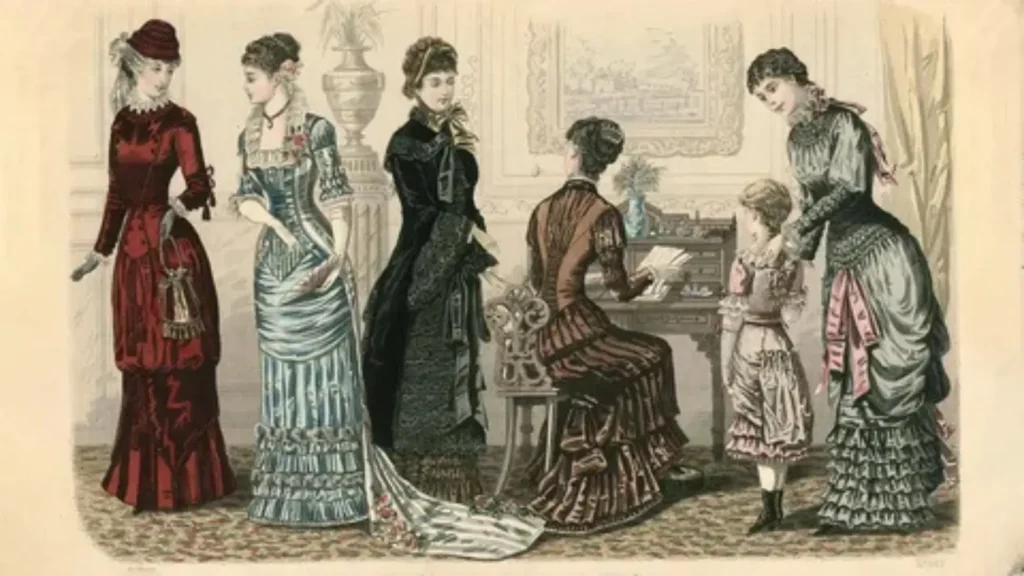
These Victorian names capture the formal, traditional atmosphere associated with nineteenth-century English naming, making them useful for realistic characters or timeless baby-name inspiration.
- Edmund — dignified and scholarly.
- Beatrice — graceful and cheerful.
- Frederick — refined and traditional.
- Eleanor — elegant and enduring.
- Percival — noble and romantic.
- Florence — polished and artistic.
- Alfred — serious yet approachable.
- Clara — simple and luminous.
- Archibald — stately and distinctive.
- Louisa — gentle and literary.
- Reginald — formal and aristocratic.
- Harriet — warm and unmistakably classic.
- Theodore — intellectual and sophisticated.
- Edith — reserved and timeless.
- Montague — grand, theatrical, and memorable.
Victorian Names for Girls With Graceful Old-World Beauty
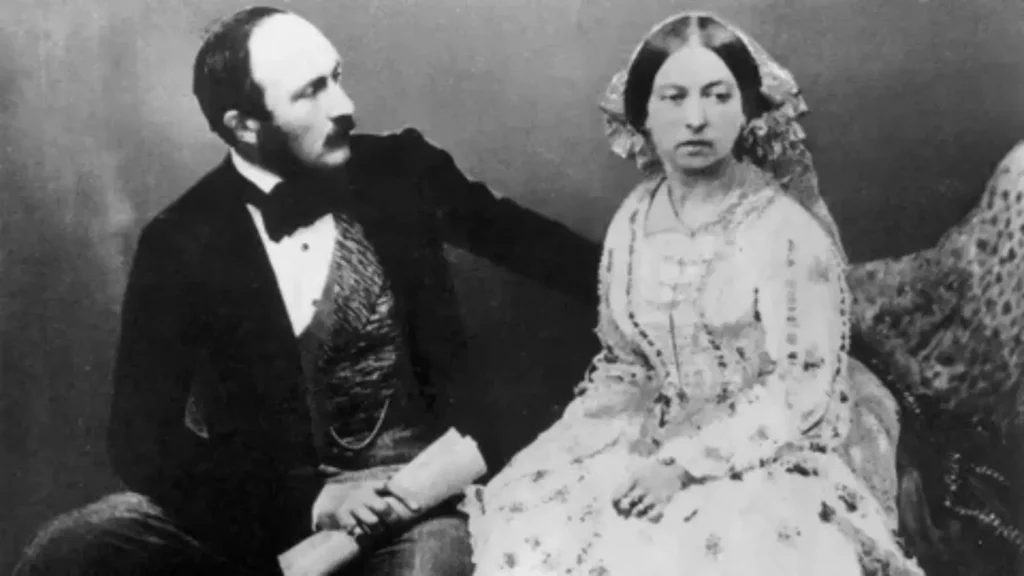
For feminine characters or babies, these Victorian names emphasize softness, refinement, floral imagery, and the romantic style associated with the period.
- Adelaide — sophisticated and regal.
- Rosamund — romantic with medieval roots.
- Arabella — elaborate and graceful.
- Cecilia — musical and refined.
- Georgiana — stately and aristocratic.
- Lavinia — classical and dramatic.
- Matilda — strong yet feminine.
- Octavia — rare and commanding.
- Cordelia — literary and elegant.
- Emmeline — delicate and distinctive.
- Henrietta — grand and traditional.
- Jessamine — floral and uncommon.
- Leonora — romantic and sophisticated.
- Millicent — vintage and charming.
- Winifred — old-fashioned with warmth.
Victorian Names for Boys With Strength and Character
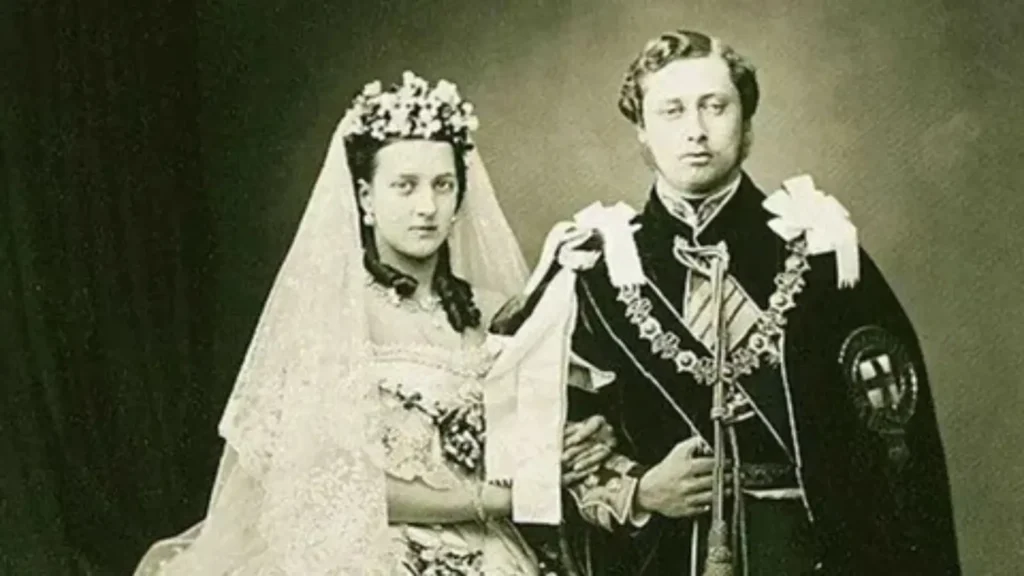
These Victorian names work especially well when you want a masculine choice that sounds respectable, adventurous, scholarly, or distinctly nineteenth-century.
- Augustus — commanding and classical.
- Benedict — intelligent and distinguished.
- Clement — gentle but memorable.
- Cornelius — grand and unusual.
- Everett — polished and versatile.
- Godfrey — medieval and noble.
- Horace — literary and scholarly.
- Jasper — stylish with vintage appeal.
- Leopold — aristocratic and powerful.
- Maurice — refined and understated.
- Oswald — antique and distinctive.
- Rupert — cheerful yet gentlemanly.
- Silas — biblical and quietly dramatic.
- Wilfred — sturdy and traditional.
- Lionel — romantic and courtly.
Rare Victorian Names for Anyone Seeking Something Uncommon
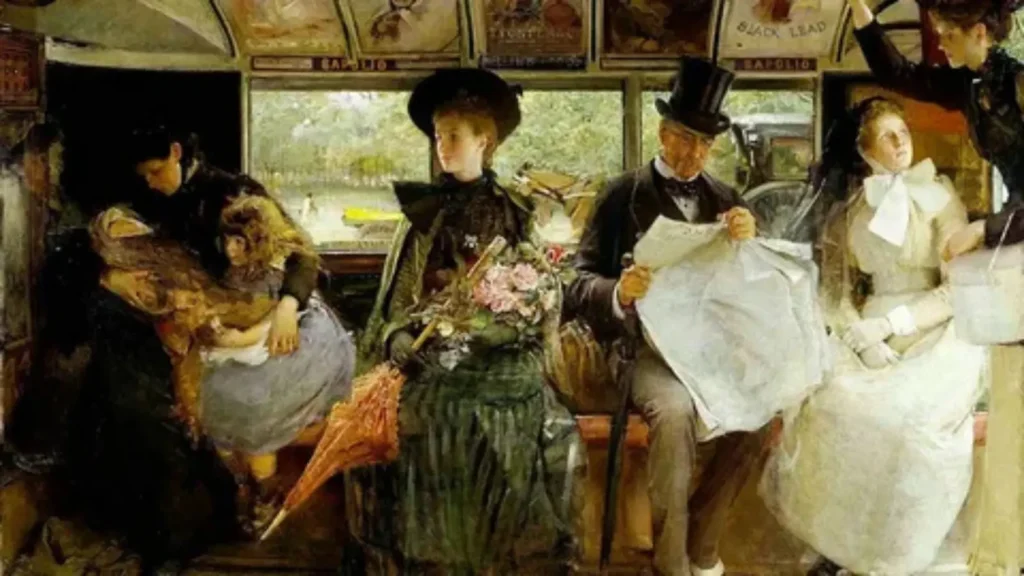
Rare-sounding choices can make a character or personal name stand apart, particularly when familiar Victorian favorites feel too predictable.
- Aurelia — luminous and luxurious.
- Basil — concise and scholarly.
- Cressida — dramatic and literary.
- Dorian — elegant with theatrical flair.
- Eudora — unusual and graceful.
- Ferdinand — regal and elaborate.
- Gwendolen — romantic and distinctive.
- Hyacinth — botanical and striking.
- Isidore — scholarly and antique.
- Jemima — warm and old-fashioned.
- Lysander — poetic and adventurous.
- Mehetabel — exceptionally unusual and historical in flavor.
- Nephele — airy and mythological.
- Sophronia — grand and eccentric.
- Theodosia — elaborate and aristocratic.
Elegant Victorian Names Inspired by Aristocratic Style
If your ideal name sounds as though it belongs on a formal invitation, family portrait, or country-estate guest list, these choices provide an especially polished feel.
- Alexandrina — majestic and elaborate.
- Algernon — unmistakably upper-class in tone.
- Amabel — soft and aristocratic.
- Bartholomew — formal and imposing.
- Constantia — dignified and composed.
- Euphemia — ornate and memorable.
- Fitzwilliam — stately and surname-like.
- Honoria — graceful and prestigious.
- Ignatius — scholarly and imposing.
- Isabella — romantic and royal.
- Marmaduke — eccentric and grand.
- Philomena — elaborate and feminine.
- Seraphina — luxurious and ethereal.
- Valentine — romantic and refined.
- Wilhelmina — commanding and regal.
Victorian Names With Romantic and Literary Energy
Literature strongly influenced nineteenth-century naming culture, while older literary and mythological names were also revived during the period. These options suit characters with emotional, artistic, or mysterious personalities.
- Althea — poetic and gentle.
- Byron — artistic and dramatic.
- Celestia — dreamy and elevated.
- Desdemona — tragic and theatrical.
- Estella — polished and mysterious.
- Gwendolyn — romantic and lyrical.
- Heathcliff — brooding and unmistakable.
- Juliet — timelessly romantic.
- Lucius — classical and intellectual.
- Marianne — graceful and literary.
- Orlando — adventurous and poetic.
- Ophelia — delicate and dramatic.
- Percy — youthful and literary.
- Rosalind — bright and Shakespearean.
- Sebastian — elegant and artistic.
Victorian Names Drawn From Flowers and Nature
Later Victorian naming embraced vocabulary names connected with flowers and gemstones, making nature-based choices particularly appropriate for a period-inspired list.
- Blossom — cheerful and delicate.
- Bluebell — whimsical and floral.
- Dahlia — dramatic and elegant.
- Daisy — bright and familiar.
- Eglantine — rare and botanical.
- Fern — simple and earthy.
- Gardenia — luxurious and fragrant in feel.
- Ivy — compact and timeless.
- Laurel — dignified and natural.
- Marigold — warm and cheerful.
- Primrose — quintessentially vintage.
- Rosemary — classic and botanical.
- Violet — delicate and sophisticated.
- Willow — graceful and nature-inspired.
- Zinnia — colorful and unusual.
Victorian Names That Sound Perfect for Gentle Characters
These Victorian names suit characters who are kind, thoughtful, shy, nurturing, innocent, or quietly courageous rather than forceful or imposing.
- Agnes — modest and sincere.
- Arthurine — soft and unusual.
- Clifton — calm and respectable.
- Dulcie — sweet and affectionate.
- Elsie — friendly and gentle.
- Ernest — dependable and earnest.
- Fanny — cheerful and approachable.
- Gilbert — mild and intellectual.
- Hattie — warm and familiar.
- Josiah — thoughtful and dignified.
- Lottie — playful and affectionate.
- Mabel — gentle and charming.
- Nellie — youthful and friendly.
- Percilla — delicate and uncommon.
- Wallace — quiet and dependable.
Victorian Names for Mysterious, Gothic, and Dramatic Characters
For gothic fiction, haunted estates, historical mysteries, or dark romance, these Victorian names create an immediate atmosphere without requiring an overly complicated construction.
- Ambrose — mysterious and scholarly.
- Belladonna — darkly botanical.
- Carmilla — dramatic and gothic.
- Drusilla — antique and haunting.
- Edgar — literary and shadowy.
- Eulalia — unusual and eerie.
- Griselda — severe and memorable.
- Lucinda — elegant with darker potential.
- Magnus — imposing and powerful.
- Mortimer — solemn and gothic.
- Nerissa — mysterious and lyrical.
- Roderick — brooding and aristocratic.
- Sibyl — prophetic and enigmatic.
- Verena — rare and atmospheric.
- Vespera — invented Victorian-inspired darkness.
Victorian Names With Royal and Noble Character
Royal associations, family traditions, and status-conscious naming make formal names especially useful when creating characters from wealthy or influential nineteenth-century families.
- Albertine — refined and regal.
- Bernadette — formal and polished.
- Caroline — graceful and established.
- Clarence — aristocratic and dignified.
- Eugenia — elegant and courtly.
- George — classic royal strength.
- Helena — stately and luminous.
- Leopoldine — grand and uncommon.
- Marguerite — sophisticated and continental.
- Nicholas — traditional and noble.
- Philippe — polished and distinguished.
- Regina — commanding and regal.
- Sophia — graceful and timeless.
- Victoria — strongly associated with the Victorian era.
- Wellington — formal and surname-like.
Victorian Names With Short, Sweet Nickname Potential
Long Victorian names often offer charming shortened forms, which can give a character or child both a formal name and a relaxed everyday identity.
- Alexandra — nickname: Alex.
- Beatrix — nickname: Bea.
- Caroline — nickname: Carrie.
- Dorothy — nickname: Dottie.
- Elizabeth — nickname: Elsie.
- Frederica — nickname: Freddie.
- Henrietta — nickname: Hettie.
- Josephine — nickname: Josie.
- Katherine — nickname: Kate.
- Margaret — nickname: Maggie.
- Nathaniel — nickname: Nat.
- Penelope — nickname: Penny.
- Theodore — nickname: Theo.
- Thomasina — nickname: Tamsy.
- Winifred — nickname: Winnie.
Victorian Names Inspired by Vintage Surnames
Surname-style first names became an important naming pattern in English-speaking cultures, although the practice was historically more common in America than Britain. These options are especially useful for fictional families.
- Beverley — polished and vintage.
- Chesterfield — grand and unusual.
- Ellington — musical and sophisticated.
- Everleigh — graceful and modernized vintage.
- Fairfax — crisp and aristocratic.
- Hawthorne — literary and atmospheric.
- Kingsley — dignified and versatile.
- Langley — refined and understated.
- Merritt — compact and distinctive.
- Montgomery — formal and substantial.
- Prescott — respectable and traditional.
- Radcliffe — scholarly and dramatic.
- Sheridan — literary and elegant.
- Whitmore — stately and refined.
- Wyndham — aristocratic and memorable.
Victorian Names With Biblical and Traditional Roots
Biblical names remained important in English naming traditions, particularly after Protestant traditions increased the influence of scriptural names. These choices combine religious heritage with vintage character.
- Abigail — classic and graceful.
- Amos — concise and sturdy.
- Benjamin — warm and enduring.
- Charity — virtue-inspired and feminine.
- Ebenezer — unmistakably old-fashioned.
- Esther — elegant and biblical.
- Faith — simple and meaningful.
- Isaac — traditional and gentle.
- Jonah — compact and approachable.
- Judith — serious and classic.
- Lydia — refined and timeless.
- Nathaniel — formal and literary.
- Patience — virtue-based and distinctive.
- Reuben — warm and traditional.
- Susannah — graceful and vintage.
Victorian Names With Intellectual and Scholarly Appeal
If your character is a professor, inventor, writer, physician, explorer, librarian, or serious-minded thinker, these names can create a suitably educated nineteenth-century impression.
- Ada — concise and intelligent.
- Archibald — scholarly and formal.
- Augusta — refined and serious.
- Bertram — gentlemanly and academic.
- Cassandra — prophetic and intellectual.
- Dorothea — cultured and elegant.
- Edwin — respectable and thoughtful.
- Ethelbert — antique and scholarly.
- Florentin — unusual and cultured.
- Gertrude — serious and distinctive.
- Herbert — traditional and respectable.
- Imogen — literary and intelligent.
- Maximilian — grand and intellectual.
- Octavius — classical and formal.
- Prudence — thoughtful and virtue-inspired.
Victorian Names for Storytelling, Roleplaying, and Historical Fiction
A believable historical character needs a name that matches the setting, personality, and social atmosphere. These versatile options can work across novels, games, scripts, and roleplaying worlds.
- Adolphus — formal and period-specific.
- Almira — graceful and uncommon.
- Barnabas — memorable and eccentric.
- Clementina — ornate and romantic.
- Dunstan — medieval revival flavor.
- Esmeralda — dramatic and colorful.
- Fitzgerald — strong as a family name.
- Gladys — distinctly vintage.
- Hector — heroic and classical.
- Iolanthe — theatrical and unusual.
- Jeremiah — substantial and biblical.
- Lilian — soft and period-friendly.
- Morris — simple and believable.
- Roscoe — distinctive and surname-like.
- Tabitha — charming and old-fashioned.
Victorian Names That Blend Vintage Charm With Modern Appeal
Some historical names feel surprisingly fresh today. Names such as Albert, Alice, and other older choices have experienced revivals, demonstrating that vintage naming can move in and out of fashion over time.
- Ada — short, elegant, and versatile.
- Alice — classic without feeling heavy.
- Alma — compact and warm.
- Arthur — traditional yet contemporary.
- Clara — graceful and easy to use.
- Elsie — vintage with a friendly sound.
- Florence — sophisticated and artistic.
- Henry — enduring and approachable.
- Iris — floral and concise.
- Mabel — charming and distinctive.
- Oscar — playful yet classic.
- Pearl — gemstone-inspired and elegant.
- Ruby — bright and timeless.
- Thea — short and graceful.
- Vera — simple, strong, and vintage.
Frequently Asked Questions
1. What are Victorian names?
Victorian names are names associated with the Victorian period, particularly nineteenth-century Britain, or names that evoke its naming traditions and aesthetic.
2. What makes a name sound Victorian?
Formal structures, biblical influences, medieval revivals, literary associations, floral names, virtue names, and elaborate traditional forms can all create a Victorian feel.
3. What are some popular Victorian girl names?
Examples include Alice, Florence, Clara, Beatrice, Edith, Eleanor, Victoria, and Harriet.
4. What are some Victorian boy names?
Classic examples include Arthur, Albert, Edward, William, Henry, Frederick, George, Alfred, and Theodore.
5. Are Victorian names suitable for modern babies?
Yes. Many vintage names have returned to contemporary naming, while shorter forms can make elaborate historical names easier to use today.
6. What are good Victorian names for fictional characters?
Choose according to personality and social setting. Names such as Ambrose, Cordelia, Edmund, Lavinia, Roderick, Florence, and Percival work especially well for historical or gothic fiction.
7. Are all names in this list historically Victorian?
No. The guide combines historically associated names with Victorian-inspired choices. Some are authentic period names, while others are included because they strongly match the era’s style.
8. How can I choose the best Victorian name?
Consider pronunciation, meaning, character personality, historical setting, nickname possibilities, and whether you want the name to feel authentic, rare, elegant, gothic, or modern.
Conclusion
Victorian names remain appealing because they offer much more than an old-fashioned sound. They can feel elegant, romantic, scholarly, mysterious, aristocratic, botanical, literary, or wonderfully eccentric.
The Victorian period also saw older names revived, alongside growing interest in literary, mythological, floral, gemstone, and vocabulary-based choices.
Whether you are naming a baby, creating a fictional family, developing a historical novel, designing a roleplaying character, or simply exploring vintage naming traditions, the key is to choose a name that matches the personality and setting.
A graceful choice such as Florence creates a very different impression from Ambrose, Cordelia, or Montgomery.
With ideas above, you have plenty of directions to explore. Start with the category that best matches the feeling you want, then say the name aloud, test possible nicknames, and consider how naturally it works with the surname or character you have in mind.

