
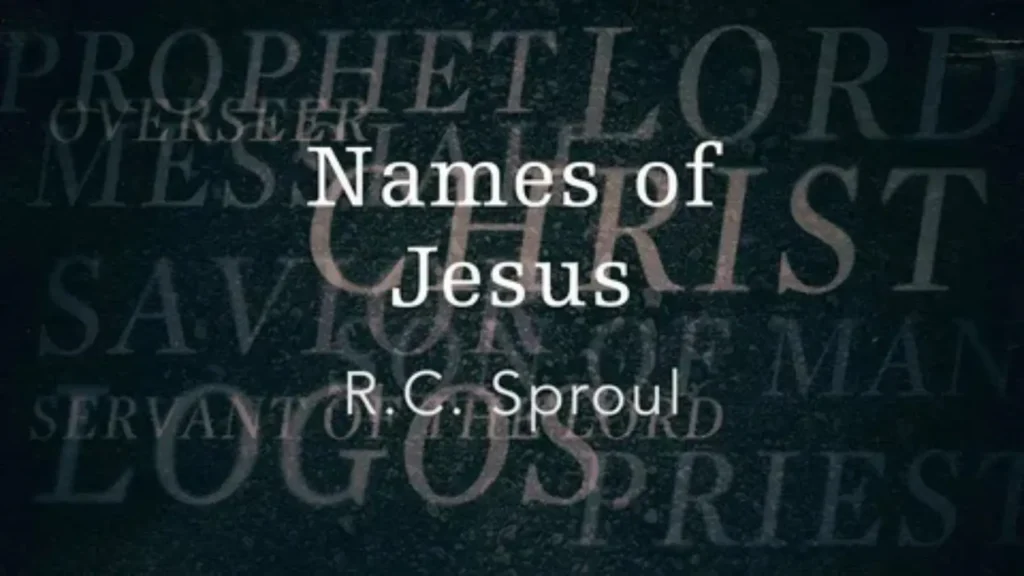
The names of Jesus reveal different aspects of His identity, character, mission, and role throughout the Bible. From Jesus Christ and Messiah to Savior, Son of God, Son of Man, and Redeemer, these biblical names and titles carry meanings that help explain how Jesus is presented in Scripture and understood within Christian faith.
Each name points to something deeper. Some emphasize Jesus’ role in salvation, while others describe His authority, relationship with God, humanity, or the hope He represents to believers. Looking at the meaning and biblical context of these names can turn a familiar Bible passage into a richer study of who Jesus is.
Whether you are searching for the names of Jesus in the Bible, biblical names and titles of Jesus Christ, names of Jesus with meanings, or titles found throughout the New Testament, this guide brings key expressions together clearly. It can be useful for Bible study, Sunday school lessons, sermons, devotionals, teaching, and personal reflection.
Behind every biblical name is a detail worth understanding. Some are familiar, while others may appear less often or carry meanings you have never explored closely. As you discover their Scripture references and significance, you may see the identity and mission of Jesus from a deeper perspective.
Names of Jesus That Reveal His Core Identity

These foundational names of Jesus are the best starting point because they identify His person, messianic role, earthly identity, and relationship to God.
- Jesus — The personal name given to Him before His birth.
- Jesus Christ — Jesus identified as the promised Messiah.
- Christ Jesus — A New Testament form emphasizing Jesus as Christ.
- Christ — Greek title meaning “Anointed One.”
- Messiah — Hebrew-derived title meaning “Anointed One.”
- Messias — A Greek transliteration of the Hebrew-derived Messiah.
- Yeshua — The Hebrew/Aramaic form associated with the name Jesus.
- Immanuel — Meaning “God with us.”
- Emmanuel — The alternate English spelling of Immanuel.
- Jesus of Nazareth — Identifies Jesus with His hometown.
- Jesus the Nazarene — Another biblical geographical designation.
- Jesus of Galilee — Connects Jesus with the Galilean region.
- Lord Jesus — Combines Jesus’ personal name with His title of lordship.
- Lord Jesus Christ — A prominent apostolic expression combining His name and titles.
- Jesus the Christ — Explicitly identifies Jesus as the Messiah.
The New Testament connects “Christ” with “Messiah,” meaning the Anointed One, while Matthew connects Immanuel with Jesus’ birth.
Names of Jesus Connected With His Messianic Mission

These names of Jesus emphasize the expectation that He fulfills the promises surrounding the coming Messiah and God’s redemptive plan.
- The Anointed One — Highlights Jesus as God’s appointed Messiah.
- The Promised Messiah — Points to the long-awaited Messianic hope.
- The Son of David — Connects Jesus with David’s royal lineage.
- The Root of David — Presents Jesus in relation to David’s line.
- The Offspring of David — Identifies Him as David’s descendant.
- The Root and Offspring of David — Combines Jesus’ Davidic origin and fulfillment.
- The Branch of David — A prophetic image associated with the promised ruler.
- The Chosen One — Emphasizes divine appointment.
- The Elect One — A designation emphasizing divine selection.
- The Holy One — Highlights Jesus’ unique holiness.
- The Righteous One — Emphasizes His righteousness.
- The Prophet — Identifies Jesus with the promised prophetic role.
- The Coming One — Expresses expectation surrounding the Messiah.
- The One Who Was to Come — A Messianic expression of expectation.
- The Hope of Israel — Reflects the hope placed in God’s promised salvation.
Jesus is explicitly identified as the Son of David and the Christ in the New Testament, linking His identity with Old Testament expectations.
Names of Jesus That Highlight His Royal Authority
Royal names of Jesus show Him as King, ruler, and sovereign. They are especially useful when studying biblical themes of Christ’s kingdom and authority.
- King of Kings — Describes supreme royal authority.
- Lord of Lords — Expresses authority above every earthly ruler.
- King of the Jews — The royal title associated with Jesus during His Passion.
- King of Israel — Identifies Jesus as Israel’s promised King.
- King of Glory — A majestic expression of divine kingship.
- The King — A simple title emphasizing His royal identity.
- The King Who Comes — Highlights His anticipated reign.
- The Ruler of the Kings of the Earth — Portrays His authority over earthly rulers.
- The Prince — A title associated with leadership and authority.
- Prince of Life — Presents Jesus as the source and ruler of life.
- Prince of Peace — Highlights His role in bringing peace.
- Ruler of Israel — Connects Jesus with promised Israelite leadership.
- Ruler of God’s Kingdom — Describes His royal role within God’s reign.
- Heir of All Things — Highlights His supreme inheritance and authority.
- David’s King — A concise expression of His promised Davidic kingship.
The New Testament explicitly calls Jesus the King of the Jews, King of Israel, and ruler connected with David’s throne.
Names of Jesus That Speak of His Divine Nature

Some of the most profound names of Jesus describe His unique relationship with God and His divine identity.
- Son of God — A central title expressing Jesus’ divine sonship.
- Only Son — Highlights His unique relationship with the Father.
- Beloved Son — Emphasizes the Father’s unique relationship with Jesus.
- Mighty God — A title associated with Isaiah’s Messianic prophecy.
- Everlasting Father — A traditional rendering of Isaiah’s prophetic title.
- Word — Identifies Jesus as the divine Word in John’s Gospel.
- Word of God — Presents Christ as God’s living Word.
- Exact Representation of God — Describes His perfect revelation of God.
- Image of the Invisible God — Highlights Christ as the visible revelation of God.
- Radiance of God’s Glory — Describes His revelation of divine glory.
- The One in Whom God’s Fullness Dwells — Expresses the fullness of deity in Christ.
- God With Us — Captures the meaning associated with Immanuel.
- I AM — A profound expression used by Jesus in John’s Gospel.
- Lord — A central New Testament title expressing His authority.
- Divine Son — A concise theological description of His unique sonship.
“Son of God” is repeatedly presented as a major title of Jesus, while Isaiah 9:6 contains the famous titles Wonderful Counselor, Mighty God, Everlasting Father, and Prince of Peace.
Names of Jesus Built Around His “I Am” Statements
John’s Gospel records memorable “I am” statements that reveal different aspects of Jesus’ identity and mission.
- I Am the Bread of Life — Jesus as spiritual nourishment.
- Bread of Life — Emphasizes lasting spiritual sustenance.
- I Am the Light of the World — Jesus as spiritual light.
- Light of the World — Represents guidance and revelation.
- I Am the Door — Jesus as the entrance to salvation.
- The Door of the Sheep — Connects Jesus with the sheepfold image.
- I Am the Good Shepherd — Shows His caring leadership.
- Good Shepherd — Highlights His sacrificial care.
- I Am the Resurrection — Points to His authority over death.
- Resurrection and Life — Emphasizes Jesus as the source of resurrection.
- I Am the Way — Jesus as the way to the Father.
- The Way — Highlights access to God through Christ.
- I Am the Truth — Jesus as the embodiment of truth.
- The Truth — Emphasizes His reliability and revelation.
- I Am the True Vine — Describes the believer’s dependence on Christ.
These images come especially from John 6, 8, 10, 11, 14, and 15, where Jesus uses distinctive metaphors to explain His identity and relationship with His followers.
Names of Jesus Associated With Shepherding and Care
The shepherd imagery surrounding Jesus emphasizes protection, guidance, sacrifice, restoration, and loving leadership.
- Great Shepherd — Presents Jesus as the supreme shepherd of His people.
- Chief Shepherd — Emphasizes His authority over spiritual shepherds.
- Shepherd of the Sheep — Highlights His relationship with His people.
- Good Shepherd — Shows His willing care and sacrifice.
- Shepherd of Souls — Describes His care for human lives.
- Guardian of Souls — Emphasizes spiritual protection.
- Shepherd-King — Combines compassionate care with royal authority.
- Gatherer of the Sheep — Highlights His work of bringing people together.
- Leader of the Flock — Describes His guidance.
- Protector of the Flock — Emphasizes spiritual security.
- Keeper of His Sheep — Reflects His preserving care.
- Guide of the Flock — Highlights direction and leadership.
- Searcher of the Lost — Reflects His mission toward those who are lost.
- Restorer of the Straying — Highlights spiritual restoration.
- Shepherd of Peace — Connects His shepherding with peace.
The New Testament calls Jesus the Good Shepherd and Chief Shepherd, while Hebrews describes Him as the great Shepherd of the sheep.
Names of Jesus That Express Salvation and Deliverance
These names of Jesus focus on His saving mission and explain why Christian Scripture connects His identity so closely with salvation.
- Savior — Highlights Jesus’ mission to save.
- Savior of the World — Emphasizes the worldwide scope of salvation.
- Deliverer — Describes Jesus as the one who rescues.
- Redeemer — Highlights the work of redemption.
- Author of Salvation — Presents Him as the source of salvation.
- Perfecter of Salvation — Emphasizes the completion of His saving work.
- Captain of Salvation — A traditional rendering connected with Hebrews.
- Horn of Salvation — Biblical imagery for powerful deliverance.
- Liberator — A descriptive term emphasizing freedom.
- Rescuer — Highlights His saving action.
- Forgiver of Sins — Emphasizes His authority to forgive.
- Healer of the Broken — Describes His restorative ministry.
- Restorer — Highlights spiritual renewal.
- Hope of Salvation — Expresses the hope centered on Christ.
- Source of Eternal Salvation — Connects Jesus with lasting salvation.
Matthew 1:21 directly connects the name Jesus with His mission to save His people, while the New Testament also describes Him as Savior, Deliverer, Redeemer, and author of salvation.
Names of Jesus Connected With Light and Truth
Light and truth are recurring biblical themes that show Jesus as the one who reveals God, exposes darkness, and guides people toward life.
- Light of the World — Represents spiritual illumination.
- True Light — Identifies Jesus as the genuine source of light.
- Light of Humanity — Connects Him with life and human illumination.
- Light of Men — A traditional rendering of John’s description.
- Light in the Darkness — Represents hope overcoming darkness.
- Light to the Nations — Reflects the universal reach of God’s salvation.
- Lamp of God’s Glory — A devotional description of divine illumination.
- Revealer of God — Highlights Jesus’ role in making God known.
- Witness to the Truth — Emphasizes His testimony.
- Faithful Witness — A direct biblical description in Revelation.
- True Witness — Highlights trustworthy testimony.
- The Truth — Expresses Jesus’ unique relationship to truth.
- Teacher of Truth — Describes His teaching ministry.
- Revelation of the Father — Highlights His role in revealing God.
- Guide Into Truth — Emphasizes His direction toward truth.
John identifies Jesus with light and truth, while Revelation calls Him the faithful and true witness.
Names of Jesus Drawn From Biblical Images of Provision
The Bible uses powerful everyday images to describe what Jesus provides spiritually, making these names especially meaningful for devotional study.
- Bread of Life — Represents spiritual nourishment.
- Living Bread — Emphasizes life-giving provision.
- True Bread From Heaven — Connects Jesus with heavenly provision.
- Bread From Heaven — Highlights divine sustenance.
- Living Water — Represents life-giving spiritual refreshment.
- Source of Living Water — Describes Christ as the giver of spiritual life.
- Cup of Salvation — Devotional imagery associated with saving grace.
- Well of Life — Symbolizes inexhaustible spiritual renewal.
- Fountain of Life — Highlights life flowing from Christ.
- True Vine — Represents spiritual connection and fruitfulness.
- Vine of Life — A devotional expression based on vine imagery.
- Branch of Fruitfulness — Uses biblical plant imagery for spiritual growth.
- Provider of Grace — Highlights divine grace received through Christ.
- Source of Living Hope — Connects Jesus with enduring hope.
- Giver of Life — Emphasizes His life-giving role.
Jesus’ Bread, Vine, and life-giving imagery is especially prominent in John’s Gospel and is designed to explain spiritual dependence upon Him.
Names of Jesus That Reflect His Sacrifice
Jesus is also described through names and images connected with suffering, sacrifice, atonement, and His willingness to give Himself for others.
- Lamb of God — Highlights Jesus’ sacrificial mission.
- Passover Lamb — Connects Jesus with Passover sacrifice.
- Sacrificial Lamb — Emphasizes self-giving.
- Suffering Servant — Connects Jesus with servant imagery.
- Man of Sorrows — Reflects prophetic language about suffering.
- Servant of the Lord — Highlights obedient service.
- Righteous Servant — Emphasizes righteous suffering and service.
- Sacrifice for Sin — Describes His saving purpose.
- Atoning Sacrifice — Highlights reconciliation through His death.
- Sin-Bearer — Describes the biblical image of bearing sin.
- Redeeming Sacrifice — Emphasizes liberation through His sacrifice.
- Crucified Christ — Centers His identity on the cross.
- Christ Who Died — Highlights His sacrificial death.
- Faithful Servant — Emphasizes obedience and faithfulness.
- Sacrificial Savior — Combines His saving mission with self-giving love.
The New Testament identifies Christ with Passover-lamb imagery and repeatedly presents His death as central to salvation.
Names of Jesus Related to Resurrection and Victory
The resurrection transforms the biblical portrait of Jesus from the suffering Messiah into the victorious Lord who conquers death.
- Resurrection and Life — Jesus as the source of resurrection.
- Firstborn From the Dead — Highlights His resurrection victory.
- Firstfruits of Those Who Have Fallen Asleep — Connects His resurrection with future resurrection.
- Risen Lord — Emphasizes His resurrection.
- Victorious Christ — Highlights His triumph.
- Conqueror of Death — Describes His victory over death.
- Lord of Life — Connects Him with life and resurrection.
- Prince of Life — Highlights His authority over life.
- Living Lord — Emphasizes that He is alive.
- Resurrected Savior — Combines salvation and resurrection.
- Victor Over the Grave — Devotional expression of resurrection victory.
- Triumphant Christ — Highlights His victory.
- Firstborn of the Dead — A biblical resurrection title.
- Life-Giving Lord — Emphasizes His power to give life.
- Hope of Resurrection — Represents Christian hope grounded in Christ.
Revelation calls Jesus the firstborn from the dead, while Paul describes Him as the firstfruits of those who have died.
Names of Jesus That Show His Authority Over the Church
These names and descriptions focus on Jesus as the foundation, leader, builder, and sustaining authority of the Christian community.
- Head of the Church — Describes Jesus’ leadership over His people.
- Head of the Body — Connects Christ with the church as His body.
- Cornerstone — Represents foundational importance.
- Capstone — Highlights the completing stone of the structure.
- Foundation Stone — Emphasizes stability and permanence.
- Living Stone — Connects Jesus with spiritual temple imagery.
- Chief Cornerstone — Highlights His foundational position.
- Builder of His Church — Describes His authority over the church.
- Lord of the Church — Emphasizes His ownership and authority.
- Bridegroom — Uses marriage imagery for Christ and His people.
- Bridegroom of the Church — Extends the biblical marriage metaphor.
- Foundation of Faith — Highlights His central place in Christian faith.
- Leader of Believers — Describes His guidance.
- Shepherd of the Church — Combines church leadership with pastoral care.
- Sustainer of His Body — Highlights Christ’s continuing role in the church.
The New Testament describes Jesus as Head of the church, cornerstone, Chief Shepherd, and Bridegroom.
Names of Jesus That Emphasize Wisdom, Teaching, and Guidance
Jesus is repeatedly presented as a teacher and revealer of wisdom. These descriptions highlight His authority to instruct, guide, and reveal God’s truth.
- Wonderful Counselor — Highlights extraordinary wisdom and counsel.
- Counselor — Emphasizes guidance and wisdom.
- Rabbi — A Jewish title meaning teacher.
- Teacher — Describes Jesus’ public teaching ministry.
- Master Teacher — Highlights His authoritative teaching.
- Divine Teacher — Describes His unique teaching authority.
- Prophet — Reflects His prophetic role.
- Teacher of the Kingdom — Connects Him with kingdom teaching.
- Revealer of Mysteries — Describes His revelation of divine truth.
- Wisdom of God — A theological description connecting Christ with divine wisdom.
- Word of Truth — Highlights His relationship to truth.
- Teacher of Righteousness — Emphasizes His instruction in righteous living.
- Guide of the Faithful — Highlights spiritual direction.
- Counselor of His People — Connects wisdom with pastoral care.
- Revealer of Heaven — Describes His role in revealing heavenly realities.
Isaiah 9:6 famously uses “Wonderful Counselor,” while the Gospels frequently record people addressing Jesus as Rabbi or Teacher.
Names of Jesus Connected With Mediation and Priesthood
Jesus’ priestly descriptions emphasize His role as mediator, advocate, intercessor, and high priest between God and humanity.
- High Priest — A major New Testament description of Jesus.
- Great High Priest — Highlights His supreme priestly role.
- Our High Priest — Emphasizes His relationship with believers.
- Merciful High Priest — Highlights compassion.
- Faithful High Priest — Emphasizes reliability.
- Mediator — Describes His role between God and humanity.
- Mediator of the New Covenant — Connects Him with the new covenant.
- Intercessor — Highlights His interceding work.
- Advocate — Presents Him as an advocate for believers.
- Author of the New Covenant — Emphasizes His covenant-making role.
- Priest Forever — Reflects the enduring priestly imagery of Hebrews.
- Holy High Priest — Highlights His purity.
- Perfect High Priest — Emphasizes His completeness and sinlessness.
- Interceding Lord — Combines lordship with intercession.
- Covenant Mediator — Concisely expresses His mediating role.
Hebrews gives special attention to Jesus as High Priest, while 1 Timothy describes Him as the mediator between God and humanity.
Names of Jesus Found in Prophetic and Apocalyptic Imagery
The final biblical books use striking images for Jesus, emphasizing His victory, judgment, kingship, glory, and eternal reign.
- Lion of Judah — Represents royal strength and Messianic authority.
- Lamb — Revelation repeatedly uses sacrificial Lamb imagery.
- Faithful and True — Highlights His reliability and righteousness.
- Faithful and True Witness — Combines testimony with faithfulness.
- Alpha and Omega — Expresses eternal completeness.
- The First and the Last — Highlights His eternal supremacy.
- The Beginning and the End — Emphasizes His comprehensive authority.
- Bright Morning Star — Represents glorious hope and dawn.
- Root of David — Connects Jesus with David’s royal line.
- Offspring of David — Emphasizes His Davidic descent.
- Rider on the White Horse — Revelation’s victorious royal image.
- Word of God — The powerful title used in Revelation.
- King of Kings — Highlights supreme kingship.
- Lord of Lords — Emphasizes unmatched authority.
- The Amen — A title expressing certainty, faithfulness, and truth.
Revelation contains many of the most memorable names and images associated with Jesus, including Alpha and Omega, Faithful and True, the Word of God, the Lamb, and Bright Morning Star.
Names of Jesus That Express Hope, Peace, and Eternal Life
These final names of Jesus bring together some of the most comforting themes associated with His person: peace, hope, life, grace, and eternal security.
- Prince of Peace — Highlights His role in bringing peace.
- Source of Peace — Describes Christ as the giver of peace.
- Lord of Peace — Connects peace with His lordship.
- Hope of Glory — Expresses Christ-centered future hope.
- Living Hope — Connects Christian hope with the risen Christ.
- Hope of Israel — Reflects Israel’s expectation of salvation.
- Hope of the Nations — Emphasizes the universal reach of Christ.
- Eternal Life — A title-like description emphasizing life through Christ.
- Life of the World — Highlights His life-giving mission.
- Giver of Eternal Life — Describes His role in granting eternal life.
- Source of Grace — Highlights grace received through Christ.
- Lord of Grace — Connects His lordship with grace.
- Author of Peace — Describes His peace-making work.
- Hope of Redemption — Connects Christ with future restoration.
- Eternal King — Combines His kingship with everlasting reign.
Isaiah connects the promised ruler with peace, while the New Testament repeatedly connects Jesus with eternal life, grace, hope, and salvation.
Frequently Asked Questions
1. What is the main name of Jesus?
The personal name given to Him is Jesus. Matthew 1:21 connects this name with His mission to save His people from their sins. The name “Christ” is a title meaning “Anointed One” or Messiah.
2. What does the name Jesus mean?
Jesus is the Greek form associated with the Hebrew name Yeshua/Joshua and is traditionally understood in connection with the idea that the Lord saves. Matthew 1:21 directly connects His name with salvation.
3. Is Christ Jesus’ last name?
No. Christ is a title, not a surname. It comes from the Greek Christos and corresponds to the Hebrew concept of Messiah, meaning “Anointed One.”
4. What are the most famous names of Jesus?
Some of the best-known include Jesus, Christ, Messiah, Son of God, Son of Man, Son of David, Immanuel, Lord, Savior, Lamb of God, Good Shepherd, Word of God, King of Kings, and Prince of Peace.
5. Why does Jesus have so many names?
Most are not separate personal names. They are titles, descriptions, metaphors, prophetic expressions, and designations that communicate different aspects of His identity, authority, character, and mission.
6. What does Immanuel mean?
Immanuel, also spelled Emmanuel, means “God with us.” Matthew applies the prophetic Immanuel language to Jesus in connection with His birth.
7. What is the most important title of Jesus?
There is no single universally “most important” title for every Christian tradition. Christ/Messiah, Lord, Son of God, Son of Man, and Savior are among the central New Testament designations.
8. Are all 210 entries official names of Jesus?
No. This list deliberately combines personal names, titles, biblical descriptions, prophetic expressions, translations, and Scripture-based descriptors. Treating every phrase as a separate formal name would oversimplify how biblical naming works.
Conclusion
The names of Jesus form a rich picture of His identity and mission. Jesus is presented as the Christ and Messiah, the Son of God and Son of Man, the King and Lord, the Good Shepherd and Lamb of God, the Bread of Life and Light of the World, the High Priest and Mediator, and the risen Lord who conquers death.
The most useful way to study these names is not simply to memorize a long list. Instead, consider what each title reveals.
Jesus points to salvation, Christ identifies Him as the Anointed One, Immanuel expresses “God with us,” Good Shepherd highlights His care, Lamb of God points to sacrifice, Resurrection and Life points to victory over death, and King of Kings emphasizes His supreme authority.
Together, these names and descriptions create a fuller biblical portrait of Jesus and explain why His identity is expressed through so many meaningful titles throughout Scripture.

